
How to Prepare Your Jewelry for the Pawn Shop: Essential Tips
Walking into a pawn shop NYC with a piece of jewelry and walking out satisfied are two very different experiences, and the gap between them almost always comes down to preparation. Most people show up with a ring, a bracelet, or a watch they haven’t touched in years and expect the process to handle itself. It doesn’t. A little groundwork before you walk through the door can mean the difference between a fair offer and leaving money on the table.
Clean It Like You Mean It
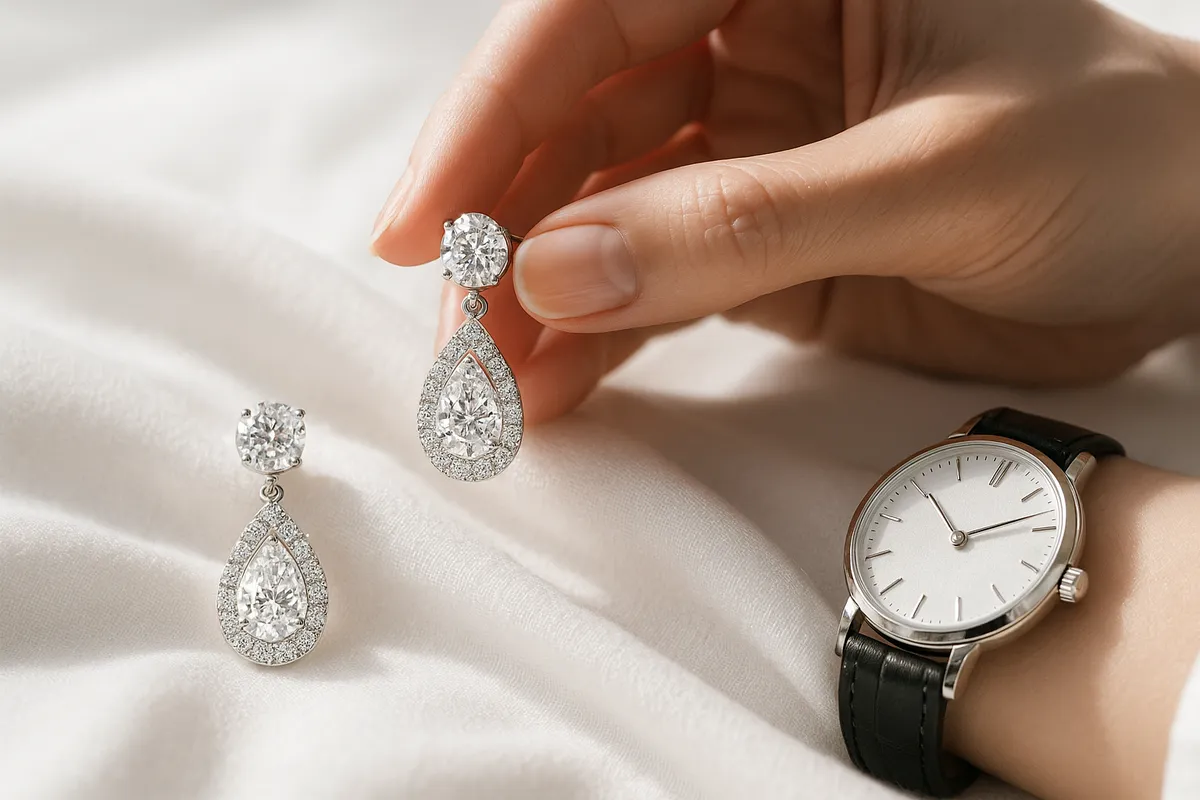
This sounds obvious, but you’d be surprised how many people bring in jewelry that’s been sitting in a dusty drawer for a decade. Grime, tarnish, and buildup don’t just make a piece look worse, they make it harder for an appraiser to assess it accurately. A dirty stone can look cloudy. A tarnished setting can hide the quality of the metal underneath.
You don’t need to send it to a professional jeweler before you come in. A soft cloth and a gentle cleaning with mild soap and warm water will do the job for most pieces. For gold and silver, this is usually enough to bring back some shine. Avoid anything abrasive, and skip the ultrasonic cleaners at home unless you know what you’re doing, some stones, like emeralds and opals, don’t react well to them.
The point is simple: present your jewelry in the best possible light. First impressions matter, even to trained appraisers.
Know What You Actually Have
Before you walk in anywhere, do some basic research. You don’t need to become a gemologist overnight, but knowing a few key details about your piece gives you confidence and helps you have a real conversation with the buyer.
Start with the metal. Check for hallmarks, those small stamps usually found on the inside of a ring band or the clasp of a necklace. They indicate the purity of the gold or silver. A stamp reading “14K” or “585” tells you it’s 14-karat gold. “925” means sterling silver. These numbers matter because buyers price metal by weight and purity.
If you have gemstones, try to locate any original paperwork, certificates, or receipts. A diamond with a GIA certificate is worth considerably more than the same stone without documentation. Provenance and paperwork aren’t just formalities, they’re proof, and proof translates directly into a better offer.
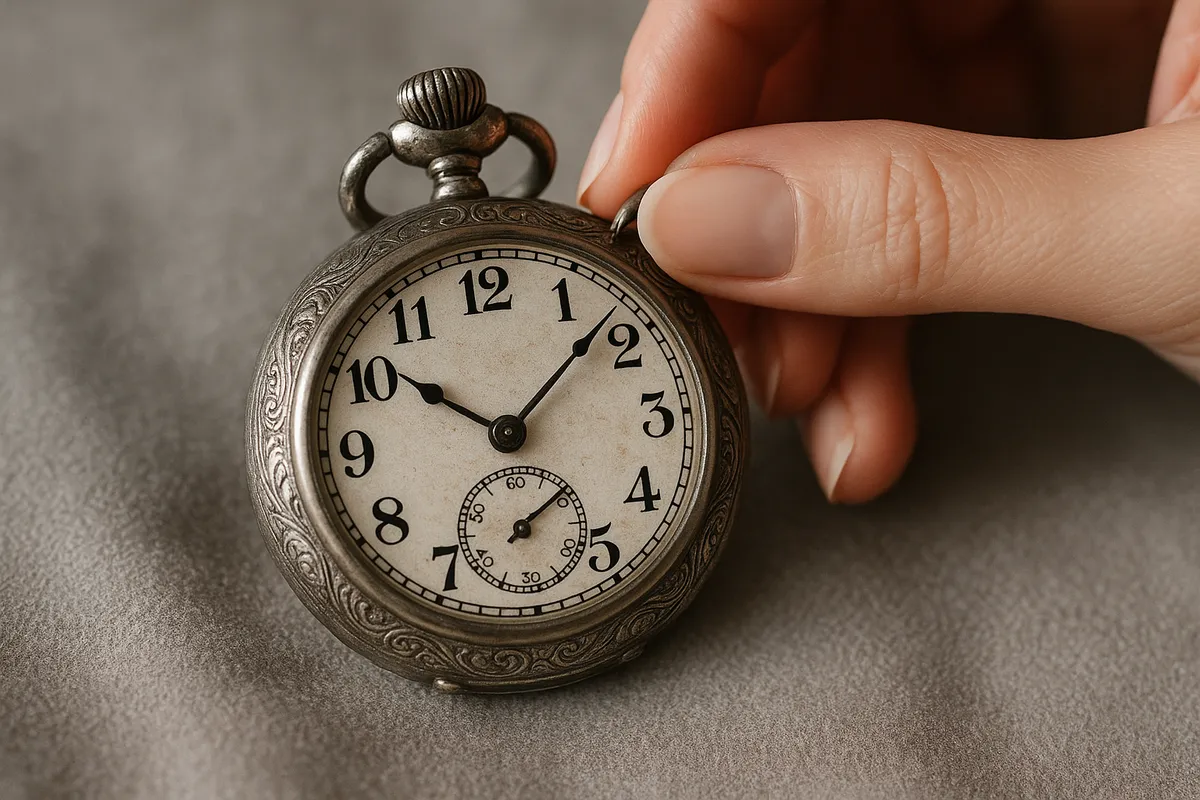
If you have vintage or antique pieces, it’s worth reading up on what you might have. Some pieces that look ordinary are actually from sought-after eras or makers. As we’ve explored before in The Pawn Shop Renaissance: Reviving Vintage Luxury in NYCvintage jewelry has seen a real resurgence in value, and buyers who specialize in it will recognize quality when they see it.
Don’t Skip the Research on Current Market Value
One of the most common mistakes people make is walking in with no idea what their piece is worth on the open market. You don’t need to be an expert, but you should have a ballpark figure in mind.
Check recent sold listings on platforms like eBay for comparable pieces. Look at what similar items are going for at auction houses. If you have a designer piece, a Cartier bracelet, a Tiffany ring, a Bulgari necklace, search specifically for that brand and style. Luxury brands hold their value in ways that generic pieces don’t, and knowing that going in means you won’t undervalue what you’re carrying.
Gold prices fluctuate daily. Before your visit, check the current spot price of gold. This gives you a baseline for understanding any offer you receive on gold jewelry. Silver and platinum have their own spot prices too. A reputable shop will price fairly against these benchmarks, and if an offer seems wildly off, you’ll know why.
Customers who take this step consistently report feeling more confident and more satisfied with the outcome. It’s not about being combative, it’s about being informed enough to have a real conversation.
Bring Everything That Came With It
Original boxes, certificates, receipts, warranty cards, bring all of it. This applies especially to watches and high-end jewelry. A Rolex with its original box and papers is worth significantly more than the same watch without them. The same logic applies to fine jewelry with designer provenance.
If you have an independent appraisal from a certified gemologist, bring that too. It’s not a guarantee of the same number from a buyer, but it gives the conversation a credible starting point. Shops that have been operating in this city for years, and have built a reputation on fair dealing, will take documentation seriously.
At NYC Pawn Shopsthe team has decades of combined experience evaluating everything from estate jewelry to contemporary designer pieces. Bringing your documentation means they can give you a thorough, accurate assessment rather than a conservative guess. You can book an appointment ahead of time to make the process smoother and ensure you get dedicated attention for your items.
The bottom line is this: preparation isn’t about gaming the system. It’s about showing up as an informed seller so that the person across the counter can do their job well, and so you walk out knowing you got what your piece was actually worth. That’s a good outcome for everyone.
Frequently Asked Questions About Pawn Shop
How does pawning an item work at a NYC pawn shop?
When you bring an item to a NYC pawn shop, a licensed appraiser will evaluate it and offer you a short-term loan based on its value, typically ranging from 30 to 90 days. You leave the item as collateral and receive cash on the spot, along with a ticket to reclaim your item once you repay the loan plus interest. If you choose not to repay the loan within the agreed timeframe, the pawn shop keeps the item and sells it to recover the loan amount.
What items can I sell or pawn at a NYC pawn shop?
Most NYC pawn shops accept a wide variety of items including gold and diamond jewelry, luxury watches like Rolex or Cartier, electronics such as laptops and smartphones, musical instruments, designer handbags, and high-end tools. Items in good working condition with original packaging or documentation, like certificates of authenticity, will typically fetch a higher offer. It’s always a good idea to call ahead and confirm that the pawn shop accepts your specific item before making the trip.
Do I need a valid ID to pawn or sell something at a NYC pawn shop?
Yes, New York State law requires that you present a valid government-issued photo ID, such as a driver’s license, state ID, or passport, before completing any pawn or sale transaction. This is a legal requirement designed to prevent the sale of stolen goods and protect both customers and shop owners. Some pawn shops may also ask for a second form of identification or your Social Security number for their records.
How do NYC pawn shops determine how much money to offer for my item?
NYC pawn shops assess the value of your item based on several factors including its current market value, condition, brand, demand, and resale potential in the local market. For jewelry, they typically test the metal purity and weigh it, while also evaluating any gemstones present. It helps to bring any supporting documentation such as original receipts, appraisals, or certificates, as these can significantly increase the offer you receive.
Are NYC pawn shops regulated, and is it safe to do business with them?
Yes, pawn shops in New York City are heavily regulated by the New York City Department of Consumer and Worker Protection (DCWP) and must hold a valid license to operate legally. They are also required to report all transactions to the NYPD, which helps ensure that stolen property does not enter the market. As long as you choose a licensed and reputable pawn shop, doing business with them is safe, transparent, and legally protected for both parties involved.

0 Comments