
Unlocking Hidden Treasures: Your Neighborhood Pawn Shop Experience
Walking through the bustling streets of Manhattan or Brooklyn, you might pass by dozens of storefronts without giving them a second glance. Yet tucked between the coffee shops and boutiques, there’s a unique type of establishment that’s been serving New Yorkers for generations. A pawn shop in NYC offers more than just quick cash—it’s a treasure trove of stories, second chances, and unexpected discoveries. As we head into the spring season of March 2026, these community staples continue to evolve while maintaining their essential role in the city’s financial ecosystem.
Whether you’re dealing with an unexpected expense, looking to liquidate valuable items, or simply hunting for that perfect vintage piece, these neighborhood institutions provide services that traditional banks and retailers simply can’t match. The beauty lies in their versatility and the personal touch that comes with every transaction.
More Than Just Emergency Cash: Understanding Modern Pawn Services
The stereotype of desperate people pawning wedding rings has long been outdated. Today’s pawn establishments serve a diverse clientele with varying needs. Small business owners use them to bridge cash flow gaps between invoices. Collectors leverage them to acquire rare items at competitive prices. Musicians find quality instruments at fraction-of-retail prices. And yes, everyday New Yorkers still rely on them for short-term loans when life throws a curveball.
The process is remarkably straightforward. You bring in an item of value—jewelry, electronics, musical instruments, luxury watches, or collectibles. A trained appraiser evaluates it based on current market conditions, condition, and demand. You receive a loan offer, typically ranging from 25% to 60% of the item’s resale value. Accept the terms, and you walk out with cash in hand, usually within thirty minutes.
What sets these transactions apart from traditional lending is the absence of credit checks, employment verification, or lengthy applications. Your item serves as collateral, nothing more. If circumstances change and you can’t repay the loan, you simply don’t reclaim your item. There’s no impact on your credit score, no collection calls, no legal complications. For our comprehensive services, we ensure every customer understands their options before committing.
The Art of Appraisal: What Makes Your Items Valuable
Not all gold is created equal, and experienced appraisers know this intimately. When you bring in jewelry, they’re examining karat weight, gemstone quality, brand recognition, and current precious metal prices. A Cartier bracelet commands different treatment than a no-name piece of similar weight because brand heritage matters in the resale market.
Electronics present their own challenges. A two-year-old laptop might seem valuable to you, but technology depreciates rapidly. Appraisers consider the original retail price, current condition, market demand, and how quickly they can resell it. An iPhone in pristine condition with original packaging fetches significantly more than one with a cracked screen and missing accessories.
Musical instruments occupy a special category. Vintage guitars, professional-grade keyboards, and brass instruments often appreciate over time. A 1960s Fender Stratocaster might be worth more today than when it was manufactured. Appraisers with specialized knowledge can identify these gems and offer appropriate valuations. This spring, we’ve seen increased interest in vintage synthesizers and analog recording equipment as musicians seek that authentic sound.
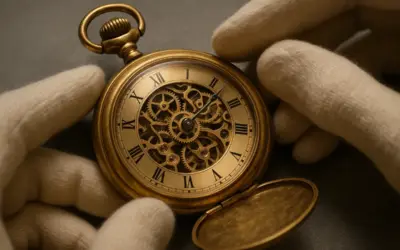
Luxury watches represent perhaps the most nuanced category. Brands like Rolex, Patek Philippe, and Audemars Piguet hold value exceptionally well. Specific models become investment pieces, with certain references appreciating significantly. An appraiser needs to verify authenticity, assess condition, confirm all original components are present, and understand current market trends. If you’re considering bringing in a timepiece, our appointment system ensures you receive dedicated attention from our watch specialists.
Shopping the Floor: Discovering Unexpected Treasures
While many people think of these establishments solely as lending institutions, the retail side offers incredible opportunities. Every item on display represents someone’s former possession, now available at prices that undercut traditional retail by 30% to 70%. The inventory changes constantly, creating a treasure-hunt atmosphere that regular customers find addictive.
Jewelry cases sparkle with estate pieces, designer items, and custom creations. You might find an Art Deco ring that would cost thousands at an antique dealer, available here for a fraction of the price. Gold and diamond pieces are sold by weight and quality, offering transparent value that jewelry stores rarely match.
The electronics section caters to budget-conscious shoppers and those seeking discontinued models. Professional cameras, gaming consoles, tablets, and laptops all find their way here. Each item is tested and guaranteed to work, providing peace of mind alongside savings. For students heading back to school or professionals upgrading their home office setup, this represents a smart alternative to paying full retail.
Musical instrument sections rival specialty stores in selection. Guitars hang on walls, keyboards line shelves, and brass instruments gleam in display cases. Many musicians prefer buying used instruments because they’re already broken in, producing richer tones than factory-fresh alternatives. A guitar that’s been played for years develops character that new instruments simply can’t replicate.
Building Community Connections in the Digital Age
Despite living in an era of digital banking and online marketplaces, neighborhood pawn establishments thrive because they offer something technology can’t replicate: human connection and immediate solutions. When you walk through the door, you’re greeted by name if you’re a regular, or welcomed warmly if you’re new. Transactions happen face-to-face, allowing for negotiation, questions, and personalized service.
These businesses become embedded in their neighborhoods, sponsoring local events, supporting community initiatives, and providing employment. Staff members develop expertise not just in appraisal, but in understanding their customers’ needs. They remember that you’re looking for a specific type of camera lens or that you’re saving up for a particular piece of jewelry. This relationship-based approach creates loyalty that transcends mere transactions.
The spring season brings renewed energy to these establishments. As people conduct their annual decluttering, interesting items flood in. Tax refunds provide opportunities for customers to reclaim cherished possessions or make purchases they’ve been contemplating. March 2026 promises to be particularly active as economic conditions encourage people to be more resourceful with their finances.
For those new to the experience, visiting during less busy hours allows for unhurried conversations with staff. They can explain processes, answer questions about specific items, and provide insights into market values. Many locations now offer easy ways to reach out with preliminary questions before visiting in person.
The modern pawn experience balances tradition with innovation. While the core services remain unchanged—providing loans, buying items, selling merchandise—the approach has evolved. Professional appraisals, transparent pricing, comfortable environments, and customer-focused policies make these establishments welcoming to everyone, regardless of their financial situation or shopping goals. Whether you’re facing an emergency expense, hunting for a unique gift, or simply curious about what treasures await, your neighborhood pawn shop stands ready to serve with expertise, fairness, and respect.
Frequently Asked Questions About Pawn Shop
What do I need to bring to pawn an item in NYC?
To pawn an item at a New York City pawn shop, you must bring a valid government-issued photo ID such as a driver’s license, state ID, or passport. You’ll also need the item you wish to pawn, and it should be in good working condition if it’s electronics or jewelry. NYC pawn shops are required by law to record your information and report transactions to the NYPD, so proper identification is mandatory for every transaction.
How much money can I get for pawning my jewelry in NYC?
The amount you can receive for pawning jewelry in NYC typically ranges from 40% to 60% of its resale value, depending on the item’s condition, market demand, and current gold or precious metal prices. For example, a 14k gold chain might get you $200-$400 depending on weight, while diamond jewelry is evaluated based on the 4 C’s (cut, clarity, color, and carat). Reputable NYC pawn shops will test your jewelry on the spot and provide a fair assessment based on current market rates.
How long do I have to repay my pawn loan in New York?
In New York State, pawn loans have a minimum term of four months, giving you at least 120 days to repay your loan and reclaim your item. You can pay off your loan at any time during this period, and many NYC pawn shops offer extensions if you need more time. If you cannot repay the loan within the agreed timeframe, the pawn shop has the right to sell your item, but you are never obligated to pay more than the original loan amount plus interest and fees.
What items do NYC pawn shops accept?
NYC pawn shops typically accept jewelry (gold, silver, diamonds, watches), electronics (laptops, tablets, smartphones, gaming consoles), musical instruments, designer handbags, power tools, and collectibles. High-end items like Rolex watches, luxury handbags from brands like Louis Vuitton or Chanel, and precious metals are especially desirable. However, pawn shops cannot accept items without serial numbers, stolen goods, or certain regulated items, and each shop may have specific preferences based on their customer base and expertise.
Are NYC pawn shops regulated and safe to use?
Yes, pawn shops in New York City are heavily regulated by both state and local laws to protect consumers. All licensed pawn shops must report transactions to the NYPD daily, maintain detailed records, and follow strict guidelines regarding interest rates and loan terms. The maximum interest rate allowed in NYC is 4% per month, and shops must be licensed by the NYC Department of Consumer Affairs. Always verify that a pawn shop displays their license prominently and provides you with a written pawn ticket that clearly states all terms and conditions.

0 Comments