
Spring Clean Your Jewelry Box: the Pawn Shop Advantage
There’s something about warmer weather that makes you want to clean out the clutter. And if you’re like most New Yorkers, you’ve got a jewelry box full of pieces you haven’t worn in years. That gold chain from an ex. The earrings that don’t match anything. The bracelet you inherited but never really liked. Here’s what most people don’t realize: those forgotten pieces sitting in your drawer could be worth serious cash right now, and a pawn shop NYC visit might be the smartest financial move you make this season.
The gold market has been climbing steadily, and what seemed like costume jewelry a few years ago might actually fund your summer vacation. But before you stuff everything into a bag and head to the first place you find on Google, there are some things you need to know about getting real value for your items.
Why That Old Jewelry Is Worth More Than You Think
Most people drastically underestimate what their old jewelry is worth. They remember what they paid for it years ago, or they assume because it’s not from Tiffany’s, it’s not valuable. Wrong on both counts.
Gold prices have more than doubled in the past decade. That 14k gold necklace you bought for $200 in 2010? The gold alone might be worth $400 or more today, regardless of the brand or style. And if it’s 18k or higher, you’re looking at even better numbers.
Here’s what actually determines value at a reputable establishment: the weight of the precious metal, the purity (10k, 14k, 18k, etc.), and current market prices. The design matters less than you’d think, unless you’re dealing with signed pieces from major designers. That’s good news for most people, because it means your out-of-style pieces still have real worth.
Diamonds and gemstones add value too, but they’re trickier. A small diamond chip won’t move the needle much, but a quality center stone absolutely will. The difference between a half-carat and a full carat can be thousands of dollars, and most people can’t eyeball that distinction.
The Mistakes People Make When Selling
The biggest mistake? Going to the first place that offers cash. Not all buyers are created equal, and the difference in offers can be shocking. Some places lowball you by 40% or more, banking on the fact that you won’t shop around.
Second mistake: not knowing what you have. If you walk in saying “I think this might be gold,” you’re immediately signaling that you can be taken advantage of. Take five minutes to check for stamps. Look for “14k,” “18k,” “585” (which means 14k in European marking), or “750” (which means 18k). Sterling silver will say “925” or “sterling.”
Third mistake: selling when you’re desperate. Yes, sometimes you need cash immediately. But if you can wait even a few days, you’ll get better offers. Desperation shows, and some buyers will exploit it.
Fourth mistake: not getting multiple evaluations. At NYC Pawn Shops, customers regularly discover their items are worth 30-50% more than they were offered elsewhere. The evaluation is free, so there’s literally no downside to getting a second opinion.
What Actually Happens During a Professional Evaluation
A proper evaluation isn’t someone glancing at your jewelry and throwing out a number. Here’s what should happen:
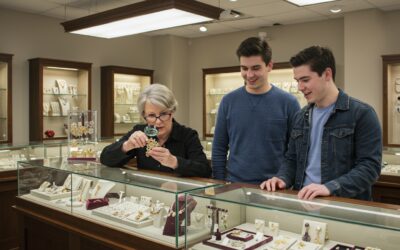
First, they’ll test the metal. Real gold testing involves acid or electronic testing equipment. If someone doesn’t test your items, walk out. They’re guessing, and you’ll get guessed low.
Second, they’ll weigh everything precisely. Gold is priced by weight, so accurate scales matter. A difference of even a gram or two can mean $50-100 in your pocket.
Third, they’ll examine any stones. Not every place has a gemologist on staff, but experienced buyers can spot quality diamonds and identify common gemstones. If you’ve got something significant, they should recommend a formal appraisal.
Fourth, they’ll explain their offer. You should understand exactly how they arrived at their number. What’s the gold content? What’s today’s market price? What are they offering per gram? If they can’t or won’t explain this, you’re probably being lowballed.
The whole process takes maybe 15 minutes for a typical jewelry box cleanout. You walk out either with cash or with information about what your items are actually worth. Both have value.
Why Location Matters More Than You’d Expect
New York City has hundreds of places that buy gold and jewelry. They’re not all the same, not even close. The Diamond District has its own ecosystem, with wholesale buyers who deal in volume. Neighborhood shops have different overhead and different clientele. And then there are the “we buy gold” pop-ups that appear and disappear.
Established businesses with actual storefronts and years of history have something to protect: their reputation. They can’t afford to rip people off because word spreads fast in this city. The guy who’s been in the same location for 20 years? He’s not going anywhere, and he knows you’ll tell your friends if he treats you right.
Location also affects what they can offer. A shop in a high-rent district has higher overhead. A place that’s been in the same spot since before rents went crazy can often offer better prices because their costs are lower. This is one reason why some of the best deals come from established neighborhood shops rather than the flashy places in tourist areas.
If you’re in Manhattan, you’ve got options. But don’t assume the Diamond District is automatically your best bet. Many neighborhood buyers offer comparable or better prices without the pressure-cooker atmosphere. As discussed in our guide to the neighborhood experience, sometimes the best deals come from the places that aren’t trying to impress tourists.
The Pawn Option: Why It’s Not What You Think
Most people think of pawning as a last resort, something you do when you’re broke and desperate. That’s outdated thinking. Pawning is actually a short-term loan using your jewelry as collateral. You get cash now, and you have the option to buy your items back later.
Why would you do this instead of selling? Maybe it’s your grandmother’s ring and you need cash for an emergency, but you don’t want to lose it permanently. Maybe it’s a piece you love but don’t wear often, and you need funds for a business opportunity. Maybe you’re just not sure yet whether you want to part with something.
The terms are straightforward: you get a loan based on the value of your item, you pay interest (which is regulated by New York State), and you have a set period to pay back the loan and reclaim your property. If you don’t pay it back, the shop keeps the item. No credit check, no impact on your credit score, no hassle.
For many New Yorkers, this flexibility is worth more than getting slightly more cash from an outright sale. You’re not burning bridges. You’re creating options.
What Your Items Could Actually Fund
Let’s get specific about numbers, because that’s what actually matters. A typical 14k gold chain that weighs 20 grams? That’s roughly $800-1000 in gold value alone, depending on current market prices. A pair of 1-carat diamond stud earrings in decent quality? Easily $1500-3000, sometimes much more.
That old engagement ring you’ve been keeping in a drawer? If it’s got a quality center stone, you could be looking at several thousand dollars. Even broken jewelry has value—gold is gold, whether it’s a pristine necklace or a tangled mess of chains.
Add it all up, and that forgotten jewelry box could fund a real vacation, cover an emergency expense, or provide seed money for a business idea. One customer recently discovered that her collection of old gold jewelry—pieces she thought were worthless—was worth over $
Frequently Asked Questions About Pawn Shop
What items can I pawn at a jewelry pawn shop in NYC?
Most NYC jewelry pawn shops accept a wide variety of valuable items including gold and silver jewelry, diamond rings, luxury watches like Rolex and Cartier, designer handbags, precious gemstones, gold and silver coins, and even high-end electronics. The key is that items must have resale value and be in good condition. Many shops specialize in fine jewelry and will evaluate pieces based on metal purity, gemstone quality, and brand reputation to offer you a fair loan amount.
How does the pawning process work in New York City?
When you bring an item to a NYC pawn shop, a licensed appraiser will evaluate it and offer you a loan amount, typically 25-60% of the item’s resale value. You’ll receive cash immediately and have a set period (usually 4 months in NYC) to repay the loan plus interest to reclaim your item. If you can’t repay, the pawn shop keeps the item with no impact on your credit score. You’ll need to bring a valid government-issued ID, and all transactions are reported to NYPD to prevent theft-related pawning.
What interest rates do NYC pawn shops charge?
New York State regulates pawn shop interest rates, with maximum charges of 4% per month on loans up to $100, 3% monthly on amounts between $100-$250, and 2% monthly on loans over $250. This means annual rates can range from 24-48% depending on your loan amount. While this may seem high compared to traditional loans, pawn shops don’t require credit checks, provide instant cash, and won’t damage your credit if you don’t repay the loan.
Can I buy jewelry at a pawn shop instead of pawning items?
Absolutely! NYC pawn shops are excellent places to purchase pre-owned jewelry, luxury watches, and designer items at significant discounts compared to retail prices. All items have been authenticated and evaluated by professional appraisers, and many shops offer warranties or return policies. You can often find unique vintage pieces, estate jewelry, and high-end brands at 30-70% below original retail prices, making pawn shops a smart option for engagement rings, investment pieces, or everyday jewelry.
Are NYC pawn shops safe and legitimate businesses?
Yes, pawn shops in New York City are heavily regulated and must be licensed by the NYC Department of Consumer Affairs and the NYPD. They’re required to maintain detailed records of all transactions, verify customer identification, and report inventory to police daily to help recover stolen property. Reputable pawn shops employ certified appraisers and gemologists, carry insurance, and have been serving their communities for decades. Always look for shops with proper licensing displayed, positive reviews, and membership in industry associations like the National Pawnbrokers Association.

0 Comments