
What a 20-Year Veteran Knows About Selling Jewelry at a Pawn Shop in NYC
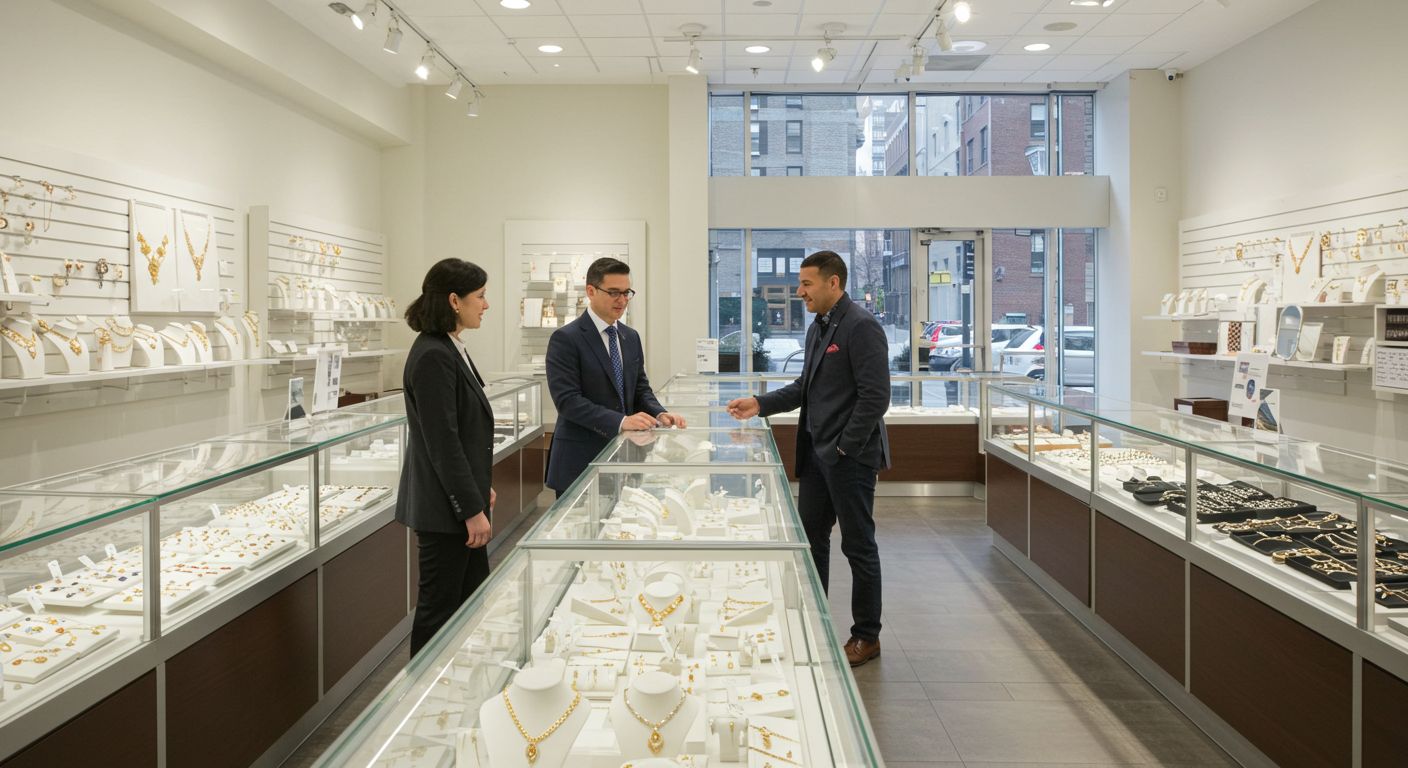
Walk into any pawn shop NYC locals actually trust, and you’ll notice something right away — the people behind the counter aren’t just running a transaction. They’re reading your piece like a book. After two decades in this business, the patterns are impossible to miss: who gets a fair price, who walks away disappointed, and why the difference almost always comes down to preparation, not luck.
The Piece You Think Is Worthless Might Be the One They Want
One of the most consistent surprises in this industry is how often people underestimate what they’re carrying. A tarnished gold chain gets dismissed as “old junk.” A broken brooch gets tossed in a drawer for years. But gold is gold regardless of condition, and experienced buyers know that. The metal value alone on a heavy 14k chain can be substantial, even if the clasp is busted and the style is decades out of date.
The same goes for diamonds. A stone that looks cloudy under bad lighting in your bathroom might grade well under proper gemological equipment. Many customers who’ve come through our doors at NYC Pawn Shops have been genuinely shocked to learn what their inherited pieces were actually worth. The lesson here is simple: don’t pre-judge your own jewelry. Let a professional do that.
What does hurt value is damage that affects structural integrity — a cracked gemstone, a severely bent setting that’s compromised the prongs, or missing stones in a pavé design. Those issues matter. Tarnish and age alone? Usually not a dealbreaker.
Why Showing Up Informed Changes Everything
There’s a real difference between a seller who walks in cold and one who’s done even thirty minutes of homework. You don’t need to become an expert — but knowing the approximate gold karat of your piece, whether your diamond has a GIA certificate, and what comparable items have sold for recently puts you in a completely different position at the table.
Reputable buyers welcome informed sellers. It speeds up the process and leads to better conversations. If you’re dealing with someone who gets defensive when you ask questions or explain what you know, that’s a red flag worth paying attention to.
It’s also worth understanding the difference between a loan and an outright sale. Many people don’t realize that pawning an item means you’re using it as collateral for a short-term loan — you can get it back if you repay within the agreed period. Selling outright means the item changes hands permanently. Both are legitimate options, but they serve very different financial situations. If you’re unsure which route makes more sense, reviewing what services are available before you walk in is a smart move.
The Mistakes That Cost People Real Money
After years of watching transactions go sideways, a few patterns stand out as the most common — and most avoidable — errors sellers make.
Selling in a panic. When someone needs cash urgently, they often take the first offer they get. That urgency is visible, and less scrupulous buyers will use it. If you have any flexibility on timing, use it. Get at least two or three assessments before committing.
Not bringing documentation. Original receipts, appraisal certificates, or a GIA report can meaningfully increase what you’re offered. A certified stone with paperwork is worth more than an identical stone without it — because the buyer’s risk is lower. Dig through your files before you go.
Confusing retail price with resale value. This is probably the most common source of disappointment. If you paid $3,000 for a ring at a retail jeweler, you will not be offered $3,000 for it at resale. Retail markup is significant, and resale markets operate on different economics entirely. Understanding this going in prevents a lot of frustration. For a deeper look at how value works in this market, this breakdown of common myths is worth reading before your visit.
Ignoring the buyer’s reputation. Not all shops operate the same way. In a city this large, there are buyers who will low-ball aggressively and count on you not knowing any better. Look for established businesses with real reviews, transparent processes, and staff who take time to explain their assessment. Customers who’ve had good experiences consistently mention feeling respected and heard — that’s not a small thing when you’re parting with something valuable.
What the Best Transactions Have in Common
The sellers who walk out most satisfied tend to share a few traits. They came prepared. They weren’t in a rush. They asked questions without apologizing for it. And they chose a buyer based on trust, not just proximity.
If you have coins or precious metals alongside jewelry, it’s worth knowing that those can often be assessed in the same visit — coin pawning follows similar principles to jewelry, and a good buyer will evaluate everything together.
The bottom line is this: the resale and loan market for jewelry in New York is active and competitive. That’s actually good news for sellers. It means there’s real demand, real money on the table, and real options — if you approach it the right way. Take the time to understand what you have, find a buyer who treats you like an adult, and don’t let urgency or misinformation drive the decision. Ready to get started? Book an appointment and bring your questions along with your pieces.
Frequently Asked Questions About Pawn Shop
How does pawning my jewelry work at a NYC pawn shop?
When you bring your jewelry to a NYC pawn shop, a licensed appraiser will evaluate the item based on its metal content, gemstone quality, brand, and current market value. You’ll receive a short-term loan offer using your jewelry as collateral, and you’ll have a set period — typically 4 months in New York State — to repay the loan plus interest to reclaim your item. If you choose not to repay, the pawn shop keeps the jewelry and you walk away with no further obligation or credit impact.
What types of jewelry will NYC pawn shops accept?
Most NYC pawn shops accept a wide range of jewelry including gold, silver, and platinum pieces, diamond rings, necklaces, bracelets, earrings, and luxury brand items like Cartier, Tiffany & Co., and David Yurman. The condition, karat weight, and authenticity of the piece play a major role in whether it’s accepted and how much you’ll be offered. Bringing any original certificates, receipts, or appraisal documents can significantly help you get a better offer.
How much money can I expect to get for my jewelry at a NYC pawn shop?
Pawn shops in NYC typically offer between 30% to 60% of a jewelry item’s resale value, depending on the current gold or diamond market, the item’s condition, and how quickly the shop believes it can resell the piece. For example, a 14k gold chain weighing 20 grams might fetch anywhere from $300 to $500 depending on the day’s gold spot price. To maximize your offer, visit multiple pawn shops in your neighborhood — areas like Midtown Manhattan and the Diamond District on 47th Street are known for competitive offers.
Is it safe to sell or pawn jewelry at a pawn shop in New York City?
Yes, NYC pawn shops are heavily regulated by the New York City Department of Consumer and Worker Protection (DCWP) and must be licensed to operate legally. They are required to record detailed information about every transaction and report it to the NYPD, which helps prevent the sale of stolen goods and protects both buyers and sellers. Always verify that the pawn shop displays a valid license before doing business, and never hesitate to ask for a written receipt and loan agreement for your records.
Can I negotiate the price offered by a NYC pawn shop for my jewelry?
Absolutely — negotiating is not only acceptable but encouraged at most NYC pawn shops, especially if you have documentation like a GIA certificate, a recent appraisal, or proof of original purchase price. Knowing the current gold or platinum spot price before you walk in gives you a strong baseline for negotiation and helps you identify whether the offer is fair. If one shop’s offer seems too low, it’s perfectly reasonable to visit two or three shops in the same area, such as along 47th Street or in the Bronx’s Fordham Road corridor, to compare offers before committing.

0 Comments