
What a 20-Year Veteran Knows About Selling Jewelry at a Pawn Shop in NYC
Walk into any pawn shop NYC locals actually trust, and you’ll notice something right away — the people behind the counter have seen everything. Diamonds wrapped in paper towels. Inherited gold chains with no documentation. Engagement rings from relationships that didn’t make it. After two decades in this business, the patterns are clear: most people leave money on the table not because their jewelry isn’t valuable, but because they walk in unprepared.
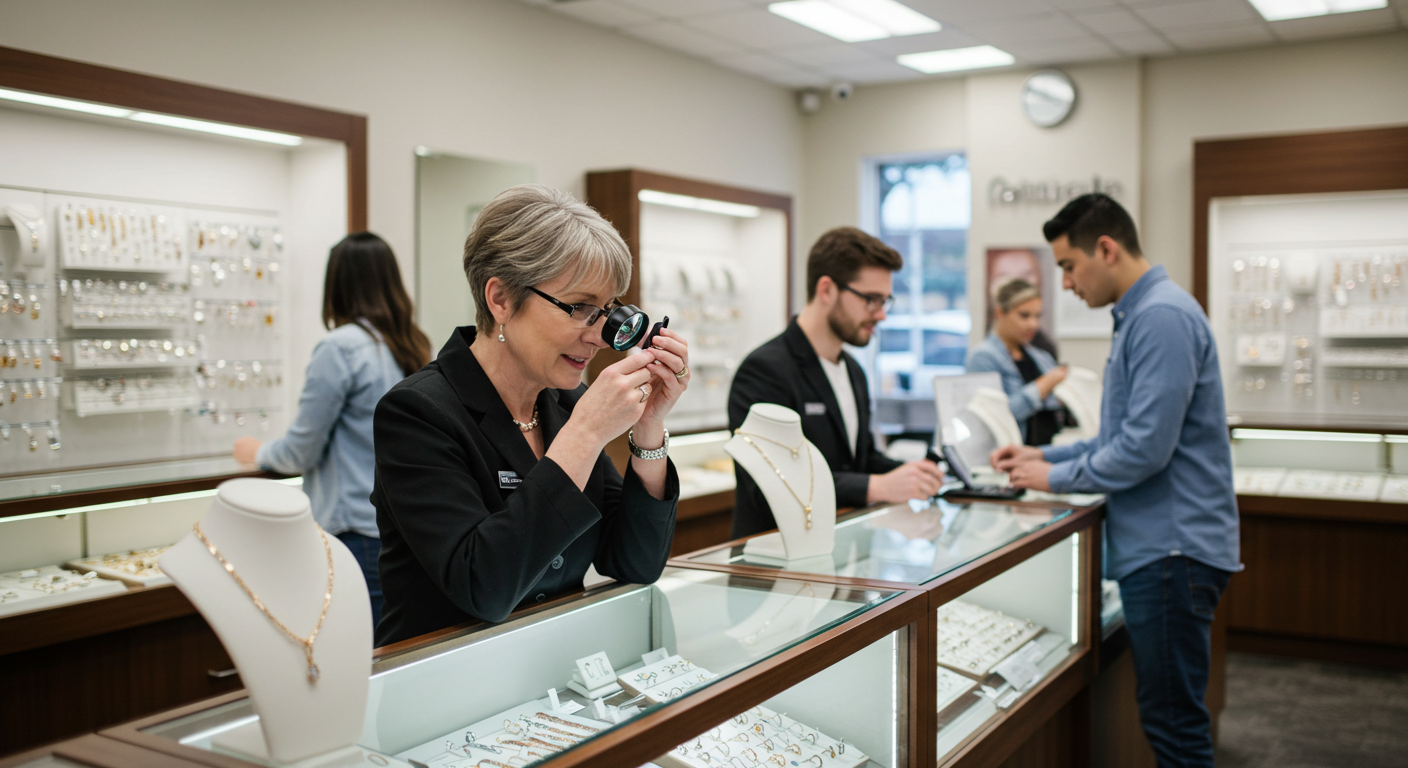
The Piece of Paper That Changes Everything
Documentation is the single most underestimated factor when selling jewelry. A ring with a GIA certificate is worth a completely different conversation than an identical ring without one. That paper tells a buyer exactly what they’re getting — the cut, color, clarity, and carat weight — without any guesswork. Guesswork costs you money.
If you have original receipts, appraisals, or grading reports, bring them. Even an old insurance appraisal from ten years ago gives a buyer a starting point. It signals that the piece was worth insuring, which matters. People who’ve sold jewelry here and walked away happy almost always came in with something in hand — a box, a certificate, a receipt. It’s not required, but it shifts the entire dynamic of the conversation in your favor.
If you’ve lost your paperwork, don’t panic. A reputable buyer will still assess the piece on its own merits. But go in knowing that you’re asking them to do more work, and price expectations should adjust accordingly.
Why the First Offer Is Never the Final Word
One of the most common mistakes people make is treating the first number they hear as a take-it-or-leave-it situation. It rarely is. A good buyer expects some back-and-forth. They’re not insulted by a counteroffer — they respect it.
That said, there’s a right way to push back. “I was hoping for more” isn’t a negotiation. “I have a recent appraisal that values this at X” is. Come with information, not just emotion. Know the current gold or platinum spot price before you walk in. Know roughly what comparable pieces are selling for. A quick look at recent sold listings on resale platforms gives you real-world data, not retail fantasy.
What experienced sellers also know is that condition matters more than most people expect. A bracelet with a broken clasp, missing stones, or heavy scratching isn’t going to fetch the same price as one in excellent shape — even if the metal weight is identical. Small repairs before selling can sometimes pay for themselves twice over.
The NYC Market Is Not Like Anywhere Else
Selling jewelry in this city operates on a different level. The concentration of buyers, the volume of high-end pieces moving through the market, and the sheer diversity of what people bring in creates a competitive environment that actually works in a seller’s favor — if you know how to use it.
Buyers here see luxury pieces regularly. They know the difference between a vintage Cartier piece and a good imitation. They’ve handled estate jewelry from some of the most significant collections in the country. That expertise cuts both ways: you won’t get away with overstating what you have, but you also won’t get lowballed on something genuinely special by someone who doesn’t recognize it.
For a deeper look at how the local market has evolved and what that means for sellers, this piece on the pawn shop renaissance in NYC covers the shift toward higher-end transactions and what’s driving it.
Timing, Trust, and Knowing When to Walk Away
Not every visit needs to end in a transaction. One of the most valuable things a veteran in this business will tell you is that a second opinion costs you nothing. If an offer doesn’t feel right, get another one. A trustworthy buyer won’t pressure you. The ones who do — the ones who create artificial urgency or make you feel like the offer expires the moment you step outside — are the ones to avoid.
Trust your instincts about the environment too. Is the buyer explaining their reasoning, or just throwing out numbers? Are they willing to show you how they’re calculating the gold weight or assessing the stone? Transparency is a good sign. Vagueness is not.
At NYC Pawn Shops, the approach has always been straightforward — explain the valuation process, give clients time to ask questions, and make sure people leave understanding exactly what they received and why. That kind of experience is what keeps people coming back, and it’s what separates a transaction from a relationship.
If you’re ready to get a professional assessment of what your jewelry is actually worth, booking an appointment is the easiest way to start. Come prepared, come with questions, and don’t leave without fully understanding the offer in front of you. That’s the real playbook.
Frequently Asked Questions About Pawn Shop
How does the pawn process work at a NYC pawn shop?
When you bring a jewelry item to a NYC pawn shop, a licensed appraiser will evaluate your piece based on its metal content, gemstone quality, brand, and current market value. You’ll receive a loan offer, and if you accept, you hand over the item as collateral and receive cash on the spot. You typically have 30 to 120 days to repay the loan plus interest to reclaim your jewelry, and if you choose not to repay, the shop keeps the item with no further obligation on your part.
What types of jewelry do NYC pawn shops accept?
Most NYC pawn shops accept a wide range of jewelry including gold, silver, and platinum pieces, diamond rings, engagement rings, necklaces, bracelets, earrings, and luxury watches from brands like Rolex or Cartier. Designer and estate jewelry tends to fetch higher loan amounts or resale offers due to their recognized market value. It’s always a good idea to bring any original certificates, receipts, or appraisal documents along with your jewelry to help maximize your offer.
Is it safe to pawn or sell jewelry at a pawn shop in NYC?
Yes, pawn shops in New York City are regulated by the NYC Department of Consumer and Worker Protection and are required to be licensed, meaning they must follow strict legal guidelines to operate. Reputable shops will provide you with a written ticket or contract outlining all loan terms, interest rates, and redemption deadlines before any transaction is finalized. Always look for shops with strong customer reviews, clear signage of their license, and transparent pricing to ensure a safe and fair experience.
How much money can I get for my jewelry at a NYC pawn shop?
The loan or purchase amount you receive depends on several factors including the current spot price of gold or silver, the quality and carat weight of any diamonds or gemstones, and the overall condition and desirability of the piece. On average, pawn shops offer between 40% to 60% of a jewelry item’s estimated resale value, though high-end designer or rare pieces may command better offers. Getting a professional appraisal beforehand and visiting multiple shops in NYC can help you compare offers and ensure you’re getting a fair deal.
What do I need to bring with me when visiting a NYC pawn shop?
You will need to bring a valid, government-issued photo ID such as a New York State driver’s license, a passport, or a IDNYC card, as pawn shops in NYC are legally required to verify your identity before completing any transaction. Bringing along any original purchase receipts, GIA certificates, or prior appraisals for your jewelry can significantly strengthen your negotiating position and potentially increase your offer. It’s also helpful to have a general idea of your item’s current market value by doing a quick online search beforehand so you can better evaluate whether the shop’s offer is fair.

0 Comments