
What a 20-Year Veteran Knows About Selling Jewelry in NYC
Walk into any reputable pawn shop NYC and you’ll quickly realize there’s a whole language being spoken that most customers don’t understand — not because it’s complicated, but because nobody bothers to explain it. After two decades in this business, the patterns are clear: the people who walk out happy are the ones who came in prepared. The ones who leave frustrated almost always made the same avoidable mistakes. This article is about closing that gap.
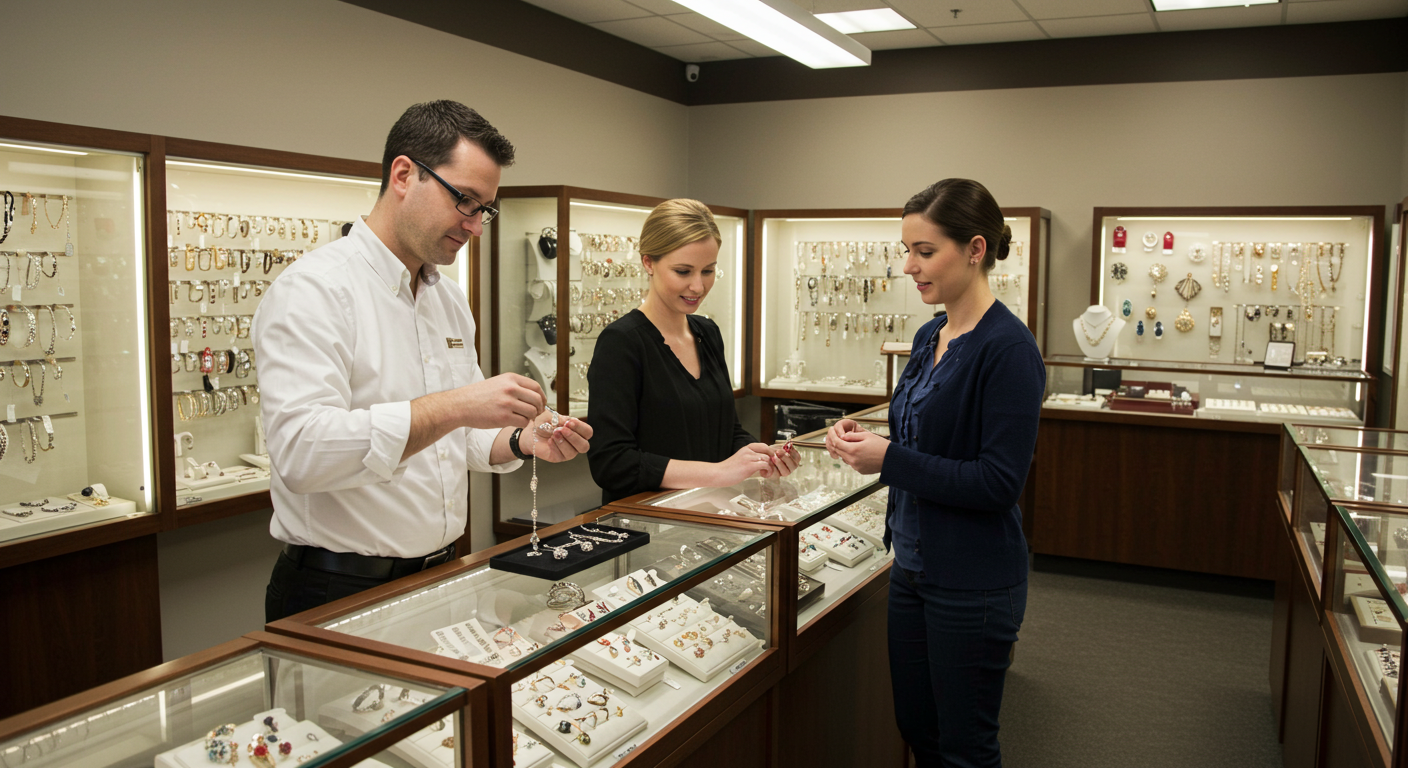
Your Jewelry Is Worth More Than You Think — and Less Than You Hope
That’s not a contradiction. It’s the most honest thing anyone in this industry can tell you.
Most people come in anchored to one of two numbers: what they paid for a piece originally, or what they saw a similar item listed for on a resale site. Neither of those figures means much in a real transaction. What matters is the current melt value of the metal, the condition and authenticity of any stones, and whether there’s genuine buyer demand for that particular style right now.
A gold chain you paid $800 for in 2015 might fetch more today because gold prices have climbed significantly. A designer ring you bought for $2,000 might appraise lower if the brand doesn’t carry strong secondary market value. The lesson? Come in with an open mind, not a fixed number. Customers who do that almost always leave more satisfied — and that sentiment comes up again and again from people who’ve been through the process.
If you want a deeper look at how to position yourself before walking in, this piece on uncovering hidden value is worth a read.
The Difference Between a Loan and a Sale — and Why It Matters
A lot of people don’t realize they have two options when they bring in a piece of jewelry. You can sell it outright, or you can use it as collateral for a short-term loan and get it back once you repay. These are fundamentally different transactions, and choosing the wrong one is one of the most common mistakes people make.
If you’re attached to a piece — a family heirloom, an engagement ring from a previous relationship you’re not quite ready to part with — a collateral loan gives you breathing room. You get cash now and a window to reclaim the item. If you genuinely want to move on from something and need liquidity, a sale is cleaner and typically puts more money in your pocket upfront.
The mistake is walking in without knowing which option you want. When you’re uncertain, it shows — and it can lead to rushed decisions you’ll regret. Think it through before you arrive. Know your goal. That single step changes the entire dynamic of the conversation.
What Condition Actually Does to Your Offer
Here’s something most people underestimate: presentation matters. Not in a superficial way, but in a practical one. A piece that comes in clean, with original paperwork, certificates of authenticity, or even original packaging will almost always command a stronger offer than the same item in a plastic bag with no documentation.
This is especially true for branded jewelry — think Tiffany, Cartier, or David Yurman. Provenance documentation can meaningfully shift what a buyer is willing to pay. Experienced appraisers at established shops, like those at this NYC location, will factor in all of these details when making an assessment. They’re not trying to lowball you — they’re pricing based on what they can realistically resell.
Scratches, broken clasps, missing stones — these all reduce offers, but they don’t eliminate them. Be honest about condition upfront. Trying to hide damage rarely works and can damage trust in the room fast.
Why NYC Operates by Its Own Rules
This city moves differently. The density of buyers, the volume of luxury goods circulating, and the sheer diversity of clientele means that items with strong resale appeal here might sit unsold in another market. A vintage Art Deco brooch, a heavy Cuban link chain, a signed estate piece — these things find buyers in New York faster than almost anywhere else in the country.
That’s good news for sellers. It means the market here is more competitive, and reputable shops have real incentive to make strong offers because they know they can move quality inventory. The flip side is that generic, mass-produced pieces with no distinguishing features tend to get evaluated purely on metal and stone value — no premium for sentiment or retail brand recognition.
Knowing which category your piece falls into before you walk through the door is genuinely useful. Do a little research. Look at completed sales on resale platforms, not just listings. Listings tell you what people are asking. Completed sales tell you what people are actually paying.
For more on how to approach the process strategically, this breakdown of common myths cuts through a lot of the noise that tends to cloud people’s expectations.
The bottom line is simple: the more you understand going in, the better your outcome. This isn’t a game where the house always wins — it’s a negotiation, and informed sellers consistently do better. Whether you’re looking to explore your options or ready to book an appointment, walking in prepared is the single biggest advantage you can give yourself.
Frequently Asked Questions About Pawn Shop
How does the pawn shop process work for jewelry in NYC?
When you bring your jewelry to a NYC pawn shop, a trained appraiser will evaluate your item based on its metal content, gemstone quality, brand, and current market value. You can either sell the item outright or use it as collateral for a short-term loan, which you can repay within an agreed timeframe to reclaim your piece. Most NYC pawn shops complete the entire process in under 30 minutes, so you can walk out with cash the same day.
What types of jewelry do NYC pawn shops typically accept?
Most NYC pawn shops accept a wide range of jewelry including gold, silver, and platinum pieces, diamond rings, necklaces, bracelets, and luxury brand items like Tiffany & Co., Cartier, and David Yurman. Loose gemstones, watches, and antique or estate jewelry are also commonly accepted. The higher the quality and authenticity of your piece, the better the offer you are likely to receive.
Do I need an appointment to visit a pawn shop in NYC, or can I walk in?
The majority of NYC pawn shops welcome walk-in customers during regular business hours, making it convenient for busy New Yorkers to stop by without scheduling ahead. However, if you have a high-value or complex piece such as an antique collection or a large lot of items, calling ahead to schedule an appointment ensures a senior appraiser is available to give you the most accurate evaluation. Always bring a valid government-issued ID, as NYC law requires identification for all pawn transactions.
How do NYC pawn shops determine the value of my jewelry?
NYC pawn shops use several methods to assess jewelry value, including testing metal purity with acid tests or electronic testers, weighing precious metals against current spot prices, and examining gemstones under magnification for cut, clarity, color, and carat weight. Appraisers also consider brand prestige, condition, and current resale demand in the New York market. If you have original certificates, receipts, or GIA reports for your jewelry, bringing them along can significantly increase the offer you receive.
Is it safe to pawn or sell jewelry at a pawn shop in NYC?
Licensed NYC pawn shops are regulated by the New York City Department of Consumer and Worker Protection and must follow strict city and state laws designed to protect both buyers and sellers. All transactions are documented, and pawn shops are required to report purchased items to local law enforcement to help prevent the resale of stolen goods. To ensure your safety and a fair deal, always choose a pawn shop with strong customer reviews, clear licensing displayed on-site, and transparent fee structures before completing any transaction.

0 Comments