
Every week, New Yorkers walk through our door holding a chain, a ring, or a bracelet they haven’t worn in years, and the first question they ask is almost always the same: should I sell or pawn gold? It sounds simple, but the answer depends on your situation, the current gold market, and honestly, how attached you still are to the piece. Getting that decision right can mean the difference between a transaction you feel good about and one that leaves you second-guessing yourself for months.

Your Gold Isn’t Just Sentimental, It’s a Financial Asset
Most people don’t think of their jewelry as an investment until they need cash. But gold has been holding its value, and then some, for the better part of the last decade. Right now, spot gold prices are sitting at historically strong levels, which means the timing for anyone sitting on unworn pieces couldn’t be much better.
Here’s what that means practically: a 14-karat gold chain that’s been sitting in a drawer isn’t just a memory. It’s a liquid asset. The same goes for broken jewelry, mismatched earrings, and old wedding bands. Pawnbrokers assess gold by weight and purity, not by whether it’s pretty or in one piece. So that tangled necklace you’ve been meaning to fix? It’s worth real money right now.
If you’re curious about the broader case for bringing jewelry to a pawnbroker rather than a random buyer, this breakdown on selling gold jewelry at a pawn shop covers the key advantages in plain terms.
The Real Difference Between Selling and Pawning
People sometimes use these two words interchangeably, but they’re genuinely different transactions, and choosing the wrong one can cost you.
Selling means you hand over the piece and walk out with cash. It’s permanent. You get a higher payout because the shop is taking on the item outright. If you know you’re never going to wear something again, selling is almost always the smarter financial move.
Pawning means you’re using your gold as collateral for a short-term loan. You get cash, but you keep the right to buy the item back within a set period, typically 30 to 90 days, by repaying the loan plus interest. If you need quick cash but genuinely want to hold onto a piece that has sentimental value, a pawn loan gives you that option.
The mistake most people make is pawning something they’ll never actually redeem. They take the loan, life gets busy, and the redemption window closes. At that point, they’ve effectively sold the item for less than they would have gotten upfront. Be honest with yourself about whether you’ll actually come back for it.
One thing worth knowing: pawn loans in New York are regulated by the state, so the interest rates and terms aren’t the Wild West scenario some people imagine. A reputable pawn shop in NYC will walk you through the terms clearly before you sign anything.
What Actually Determines What You’re Offered
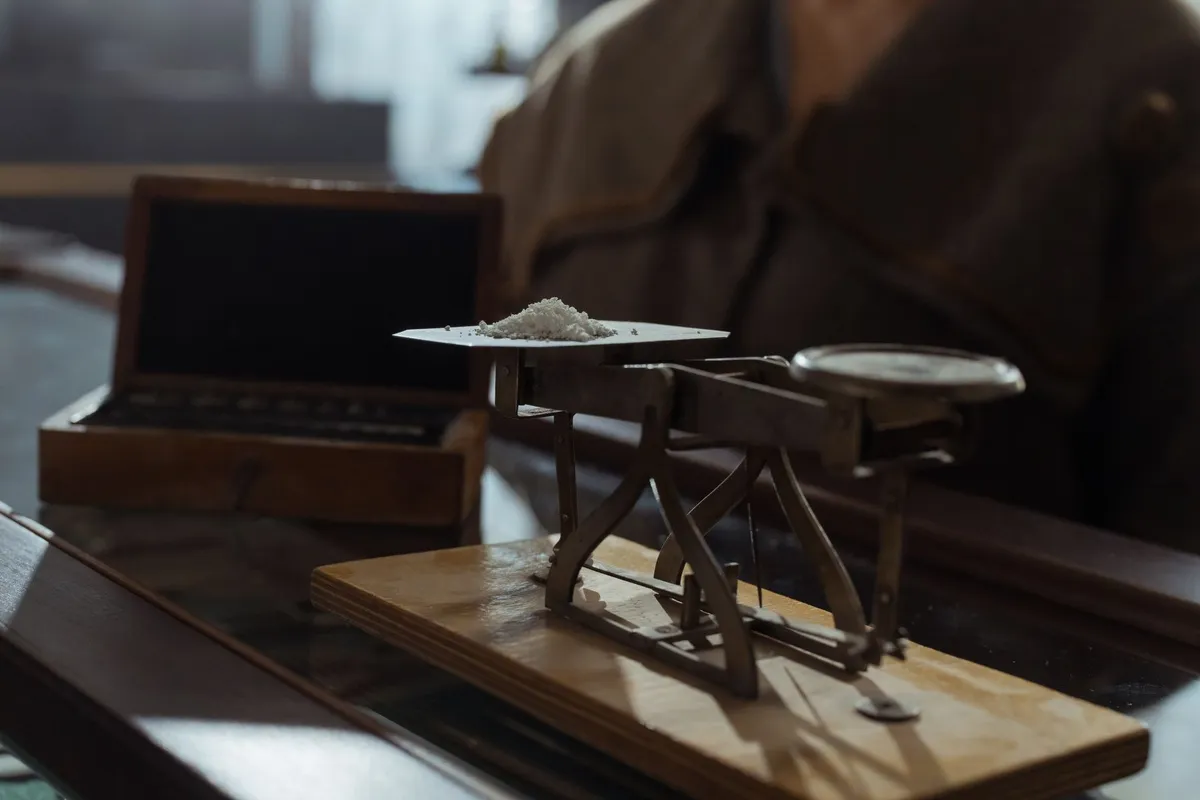
Walk in knowing this, and you’ll have a much better experience. Gold offers are based on three things: purity, weight, and the current spot price of gold.
Purity is measured in karats. 24-karat is pure gold. 18-karat is 75% gold. 14-karat, the most common in American jewelry, is about 58% gold. The higher the karat, the more you’ll receive per gram.
Weight is measured in grams or troy ounces. Heavier pieces fetch more, obviously, but even small amounts add up when gold prices are strong.
Spot price fluctuates daily based on global markets. A good pawnbroker will show you the current price and explain exactly how they calculated your offer. If someone can’t or won’t do that, walk out.
Many customers who’ve come through our doors mention being surprised by how transparent the process actually is, they expected a lowball offer and a hard sell, and instead got a clear explanation of the math. That’s how it should work. Bring any hallmarks, receipts, or appraisals you have, they won’t necessarily change the gold calculation, but they add context and can support a stronger offer on pieces with additional craftsmanship value.
If you want to walk in fully prepared, this guide on preparing your jewelry before visiting a pawn shop is genuinely useful, it covers cleaning, documentation, and what to expect during the appraisal.
Why the NYC Market Works in Your Favor
New York isn’t like other cities when it comes to buying and selling gold. The volume of transactions here is enormous, which means established pawn shops have real buying power and competitive margins. They don’t need to lowball you to make money, they’re moving enough volume to offer fair rates and still run a solid business.
That competitive pressure benefits you directly. A shop that’s been operating in this city for years has a reputation to protect and repeat customers to keep. Undercutting someone on a gold transaction isn’t a long-term strategy in a city where word travels fast and reviews are public.
The bottom line is straightforward: if you have gold sitting around that you’re not wearing, you’re holding a depreciating opportunity. Gold prices won’t stay at current levels indefinitely. The longer you wait, the more you’re gambling on market timing rather than making a clear-headed financial decision. Whether you choose to sell outright or use a pawn loan as a short-term bridge, the right move is to get an appraisal from someone who knows what they’re doing, and then make the call that actually fits your life.
Frequently Asked Questions
How do I know if a pawn shop in NYC is giving me a fair offer on my gold?
A legitimate shop will show you the current spot price of gold and walk you through exactly how they calculated your offer based on your piece’s karat and weight, if they can’t explain the math, that’s your cue to leave. Gold purity runs from 24-karat (pure gold) down to 14-karat (about 58% gold), and your offer per gram changes significantly depending on which you have. Bring any hallmarks, receipts, or appraisals you have, since those add context even if they don’t change the base gold calculation.
What happens if I take out a pawn loan on my gold jewelry and can’t pay it back in time?
In New York, pawn loans typically run 30 to 90 days, and if you don’t repay the loan plus interest within that window, the shop keeps the item. At that point you’ve effectively sold it, but for less cash than you would have received if you’d sold it outright from the start. The article puts it plainly: be honest with yourself about whether you’ll actually come back for the piece before you choose a loan over an outright sale.
Is my broken or mismatched gold jewelry worth bringing in, or will a pawn shop turn it away?
Pawnbrokers assess gold by weight and purity, not by condition or appearance, so a tangled necklace, a single earring, or a broken chain all have real value at current gold prices. Even old wedding bands or pieces you consider unwearable are treated as liquid assets once they’re on the scale. Don’t leave broken jewelry sitting in a drawer assuming it’s worthless, it almost certainly isn’t.
Are pawn loan interest rates in New York as high as people say, or is that just a rumor?
Pawn loans in New York are regulated by the state, which means the rates and terms follow specific rules, it’s not an unregulated situation where a shop can charge whatever they want. A reputable NYC pawn shop will explain the interest terms clearly before you sign anything, so you know exactly what you’d need to repay to get your item back. If a shop is vague or evasive about the terms, that’s a problem regardless of what the law allows.
Does it actually matter that I’m in NYC versus selling gold somewhere else in the country?
It does, because the volume of gold transactions in New York is high enough that established shops have real buying power and don’t need to lowball individual customers to stay profitable. That competitive pressure, combined with the fact that public reviews and word of mouth move fast in this city, gives reputable shops a strong incentive to offer fair rates. You’re in a better position here than you would be in a lower-volume market where a shop has less competition and less reputational risk.

0 Comments