
Walk into any pawn shop NYC locals have trusted for years, and you’ll notice something right away, the people behind the counter aren’t guessing. They’ve seen thousands of pieces come through the door, and they can spot the difference between a piece worth serious money and one that’s mostly sentiment. If you’ve got gold jewelry sitting in a drawer, understanding how this industry actually works can mean the difference between walking out satisfied and walking out wondering if you left money on the table.
Gold Is Worth More Than You Think, But Only If You Know What You Have
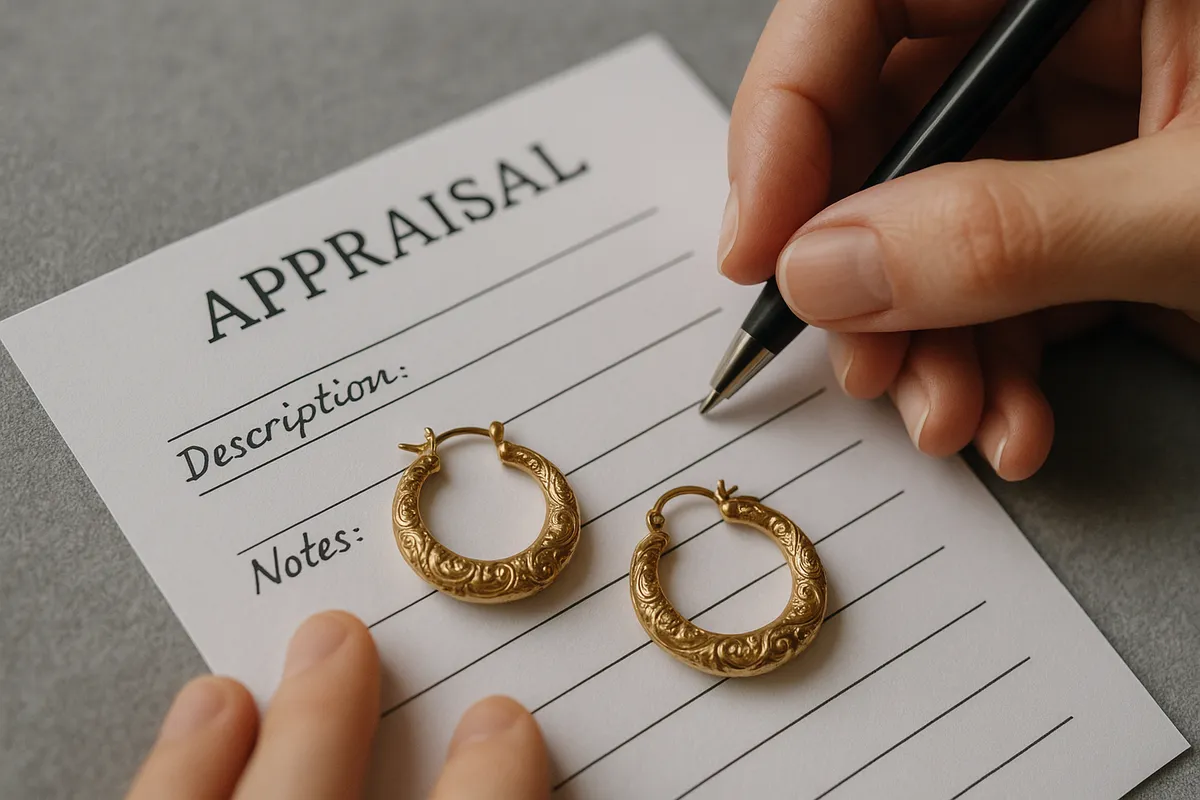
Most people dramatically underestimate what their gold is worth before they walk in. They assume old, broken, or unfashionable pieces have little value. That’s almost never true. Gold is gold. Whether it’s a tangled chain, a bent ring, or a bracelet missing a clasp, the metal itself holds real, measurable value tied directly to the daily spot price of gold on the global market.
What actually matters is the karat weight. A 24-karat piece is pure gold. An 18-karat piece is 75% gold. A 14-karat piece, the most common in American jewelry, is 58.5% gold. A reputable shop will weigh your piece, check the karat stamp, and calculate an offer based on current market rates. That’s the process. There’s no mystery to it, and any experienced buyer will walk you through it step by step if you ask.
Before you bring anything in, it helps to prepare your jewelry properlyclean it, gather any paperwork you have, and know roughly what karat your pieces are. It sounds minor, but it signals to the buyer that you’re informed, and informed sellers tend to get better conversations.
The Emotional Side Nobody Talks About
Here’s something the industry rarely acknowledges openly: selling jewelry is rarely just a financial transaction. A lot of the pieces people bring in carry real weight, an ex’s engagement ring, a grandmother’s bracelet, jewelry from a chapter of life that’s closed. That emotional layer can cloud your judgment in two very different directions.
Some people overvalue a piece because of what it meant to them, and feel insulted by an accurate market offer. Others feel so guilty about selling that they accept the first number they hear just to get it over with. Both are costly mistakes.
The smartest thing you can do is separate the emotional value from the market value before you walk in. Acknowledge that the piece mattered. Then set that aside and look at the metal and the stones for what they are. Many customers who’ve gone through this process describe a sense of relief afterward, not just financial, but psychological. Letting go of something that was sitting unused, and turning it into real cash, tends to feel better than expected. If you’re wrestling with that side of things, it’s worth reading about the feelings that come with selling at a local shopyou’re not alone in it.
Why NYC Changes the Math Entirely
Selling gold in New York isn’t the same as selling it in a small town. The market here is more competitive, buyers are more sophisticated, and the volume of transactions means experienced shops have seen virtually every type of piece imaginable. That’s actually an advantage for sellers.
A shop that’s been operating in this city for decades has built relationships, refined its pricing process, and developed a reputation it has to protect. Fly-by-night operations don’t survive long here. The shops that do survive are the ones that offer fair, transparent deals, because word travels fast in New York, and a shop that lowballs people doesn’t stay busy for long.
That said, not every shop operates the same way. Volume buyers who deal mostly in scrap gold will give you a lower offer than a shop that also sells estate jewelry and can actually retail your piece. If your gold has design value, a vintage brooch, a signed piece, a well-crafted estate ring, find a buyer who recognizes that. Scrap price and retail-informed price are two very different numbers.
For a broader look at what makes the local market tick, the Secondhand store resources for NYC can give you a clearer picture of what to expect before you walk in the door.
Timing, Negotiation, and the Offers Most People Leave Behind
Gold prices fluctuate daily. When spot prices are high, your offer goes up. When they dip, so does the number on the table. Keeping even a casual eye on the gold market before you sell isn’t obsessive, it’s just smart. A quick check of the daily spot price takes thirty seconds and gives you a baseline for evaluating any offer you receive.
Negotiation is also more acceptable than most people realize. A good shop expects it. You’re not being difficult by asking how an offer was calculated, or by presenting a competing quote from another buyer. Reputable buyers will explain their math. If a shop gets defensive or vague when you ask questions, that tells you something important.
Bring multiple pieces if you have them. Shops are often willing to improve their per-gram rate when the overall transaction is larger. And don’t rush. A buyer who pressures you to decide immediately is a buyer worth walking away from. The right shop gives you the information you need and lets you make the call on your own terms.
If you’re ready to move forward, scheduling an appointment ahead of time means you get dedicated attention rather than waiting in line, and it signals that you’re a serious seller, which sets the right tone from the start.
Frequently Asked Questions
How does the buyer actually calculate what my gold jewelry is worth?
The buyer weighs your piece, checks the karat stamp, and applies the current daily spot price of gold to figure out how much actual gold content you have, for example, a 14-karat piece is 58.5% gold, so only that percentage of the total weight counts toward your offer. There’s no guesswork involved; it’s a straightforward calculation any reputable buyer should be willing to walk you through out loud if you ask. If they won’t explain the math, that’s a reason to be cautious.
Does it matter that my gold jewelry is broken or out of style?
No, a tangled chain, a bent ring, or a bracelet with a missing clasp still carries the same metal value as a piece in perfect condition, because the buyer is paying for the gold itself, not the wearability. What matters is the karat and the weight, not whether the piece looks good or matches anything anyone would wear today. Old and unfashionable does not mean low value.
Is there a difference between what shops in NYC offer versus shops elsewhere?
Yes, and it generally works in the seller’s favor here, the market is more competitive, buyers are more experienced, and shops that have survived long-term in this city have a reputation to protect, which pushes them toward fairer, more transparent offers. A shop that lowballs people doesn’t stay busy in New York for long because word travels fast. That competitive pressure doesn’t exist the same way in smaller markets.
Should I get quotes from more than one buyer before I sell?
Absolutely, bringing a competing quote to a reputable buyer is a normal part of the process, and a good shop won’t get defensive about it; they’ll explain how their offer was calculated and let you compare. If a buyer gets vague or pressures you to decide on the spot, that tells you something worth paying attention to. Taking the time to get more than one number is one of the most concrete things you can do to avoid leaving money on the table.
Does the timing of when I sell actually affect how much I get?
Yes, gold prices move daily based on the global spot market, so the offer you get on a Tuesday can be meaningfully different from the offer you’d get the following Monday. Checking the current spot price before you walk in takes about thirty seconds and gives you a real baseline for judging whether any offer you receive is reasonable. It’s not about timing the market perfectly; it’s about not walking in completely blind.

0 Comments