
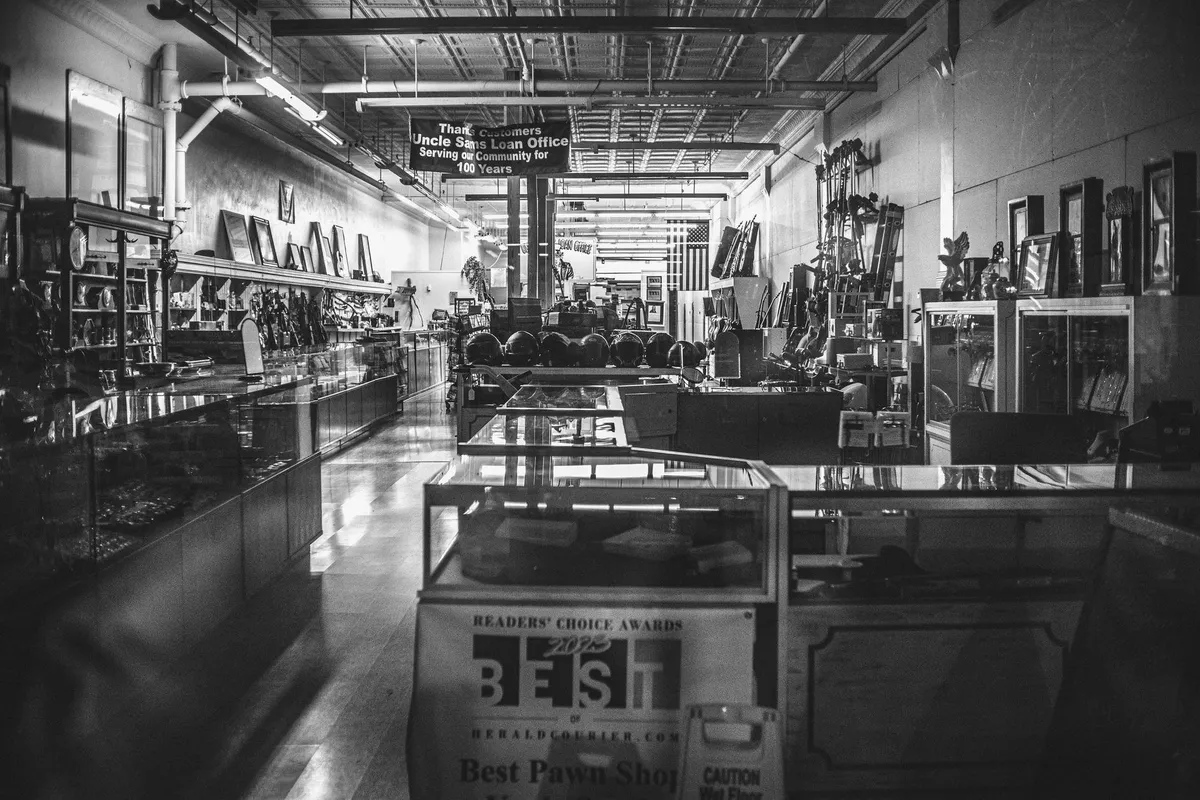
Walking into a pawn shop NYC for the first time can feel like stepping into unfamiliar territory, especially if you’ve never sold or pawned anything before. The industry has a reputation that doesn’t always match reality, and that gap costs people money. After two decades of watching customers walk in underprepared, the patterns are clear. Some people walk out satisfied. Others leave money on the table. The difference almost always comes down to what they knew before they walked through the door.
The Item in Your Bag Is Worth More Than You Think, If You Can Prove It
This is the single biggest insight a seasoned appraiser will give you: documentation changes everything. A gold chain with no paperwork is worth its melt value. That same chain with an original receipt from a reputable jeweler, a certificate of authenticity, or even a clear photo of the original purchase is suddenly a different conversation entirely.
New York is a city full of real luxury. People inherit Cartier bracelets, buy Rolex watches on impulse, and pick up vintage pieces at estate sales. The problem is that most of those items arrive at the counter with nothing to back them up. Experienced appraisers work with what they have, but they also have to price in uncertainty. Give them less to question, and you’ll get a stronger offer.
Before you bring anything in, clean the item gently, gather any original boxes or paperwork, and if you have receipts, even old ones, bring them. It sounds simple because it is. Most people just don’t do it. If you want to go in fully prepared, this guide on how to prepare your jewelry before visiting covers the process in practical detail.
Gold, Diamonds, and Watches Don’t All Play by the Same Rules
One of the most common misconceptions is that all valuable items are evaluated the same way. They’re not. Gold is priced against the spot marketit fluctuates daily, and what you’re offered today might be slightly different from what you’d get next week. Diamonds, on the other hand, are graded on cut, clarity, color, and carat weight, and resale demand plays a significant role in the offer you receive.
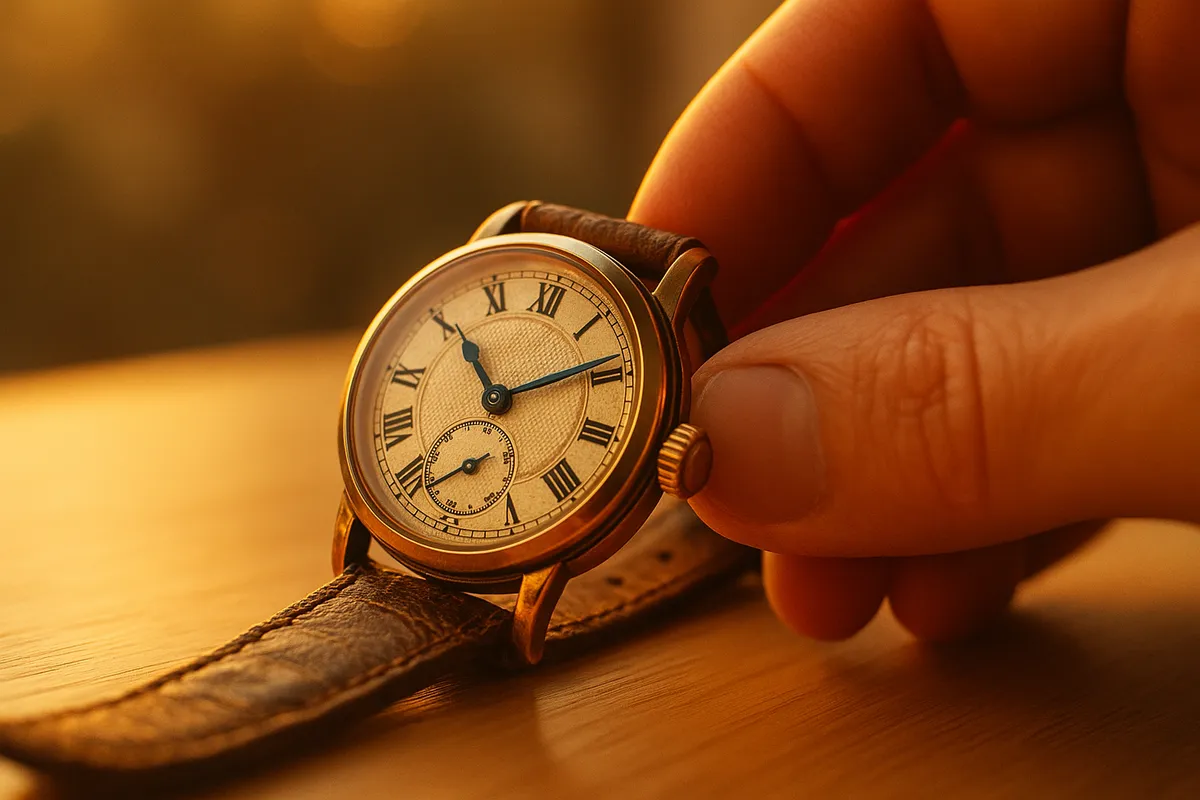
Watches are their own category entirely. A luxury timepiece from a recognized brand, Rolex, Omega, Patek Philippe, carries brand equity that goes well beyond the materials inside it. Condition, model, and current market demand all factor in. A watch that’s been serviced recently, has its original bracelet, and comes with box and papers can fetch dramatically more than the same model without those elements.
Coins are another area where people consistently underestimate what they’re holding. Rare dates, mint marks, and condition grades can make a significant difference in value. If you’re sitting on a coin collection and wondering what it’s worth, it’s worth getting a proper look, you can learn more about pawning coins and what factors drive their value.
Timing Your Visit Is a Real Strategy, Not Just a Rumor
Experienced sellers in this city know that timing matters. Gold prices shift with global markets. Consumer demand for luxury goods rises and falls with economic confidence. Even the time of year can influence what a shop is actively buying and at what price points.
Right now, gold is trading at historically strong levels. That’s not a sales pitch, it’s a market reality that directly affects what you’ll be offered for anything with precious metal content. If you’ve been holding onto a piece and waiting for the right moment, the current climate is genuinely worth paying attention to.
Beyond market timing, there’s also the question of when you walk in. A shop that’s just moved a lot of inventory is in a different buying position than one that’s fully stocked. Midweek visits, when foot traffic is lower, often lead to longer, more focused appraisal conversations. That matters when you’re trying to get the best possible read on what you’re selling.
What Separates a Good Experience From a Frustrating One
Customers who leave satisfied tend to share a few things in common. They came in with realistic expectations, not inflated by what they saw on a TV show or read in a forum. They were willing to have a real conversation about the item rather than just waiting for a number. And they chose a shop with genuine expertise, not just the closest storefront.
In New York, that distinction matters more than in most cities. The volume of luxury goods moving through this market is enormous, and not every shop has the expertise to properly evaluate high-end pieces. Many customers who’ve worked with established, experienced shops in the city describe the difference as night and day, not just in the offers they received, but in how the entire process felt. There’s a reason people come back.
If you’re new to the process and want to understand more about what to expect emotionally and practically, this piece on the feelings behind selling at a local shop is an honest look at what the experience is really like for most people.
The bottom line is straightforward: preparation, knowledge, and choosing the right place to walk into will always outperform luck. Whether you’re selling a single piece of jewelry or a collection built over decades, the work you do before you arrive is what determines what you walk out with. Book an appointment and come in ready, that’s where the real value starts.
Frequently Asked Questions
Does bringing the original box and papers for my watch really make that big a difference in what I’m offered?
Yes, and the article is specific about this: a luxury timepiece with its original bracelet, box, and papers can fetch dramatically more than the exact same model without those elements. Brand equity on watches from names like Rolex, Omega, or Patek Philippe goes well beyond the raw materials, so anything that confirms authenticity and condition directly affects the number you walk out with. If you’ve got the paperwork sitting in a drawer somewhere, it’s worth digging it out before you come in.
I inherited a gold chain with no receipt and no documentation, is it even worth bringing in?
It’s worth bringing in, but the offer will be based on melt value rather than any premium tied to the piece’s origin or craftsmanship. The article makes clear that documentation changes the conversation, without it, an appraiser has to price in uncertainty, and that uncertainty comes out of your offer. If you can track down even an old receipt or a clear photo from the original purchase, bring it, because it shifts the dynamic.
How do I know if the shop I’m walking into actually has the expertise to evaluate a high-end piece properly?
The article flags this directly as a real concern in New York: the volume of luxury goods moving through this market is enormous, and not every shop has the knowledge to properly evaluate high-end items. Customers who’ve worked with established, experienced shops describe the difference as night and day, both in the offers they received and in how the process felt overall. Choosing based on proximity alone is one of the patterns the article identifies as leaving money on the table.
Is there actually a better day of the week to come in, or is that just something people say?
The article treats it as a real factor, not a rumor: midweek visits, when foot traffic is lower, tend to lead to longer and more focused appraisal conversations. A shop’s buying position also matters, one that’s just moved a lot of inventory is in a different place than one that’s fully stocked. Neither of those things is guaranteed, but they’re worth factoring in if you have flexibility.
I have a coin collection I’ve been sitting on for years, is it worth getting appraised, or are coins generally not worth much?
The article specifically calls out coins as an area where people consistently underestimate what they’re holding. Rare dates, mint marks, and condition grades can make a significant difference in value, so a collection that looks unremarkable to an untrained eye might be worth considerably more than expected. Getting a proper look from someone who knows coins is the only way to know what you actually have.
0 Comments