
Walking into a pawn shop with a diamond can feel like showing up to a poker game without knowing the rules. Most people who decide to pawn diamonds NYC have no idea what separates a great offer from a mediocre one, and that gap can be hundreds, sometimes thousands, of dollars. The good news is that a little preparation goes a long way, and knowing what appraisers actually look at changes everything about how you walk out of that door.
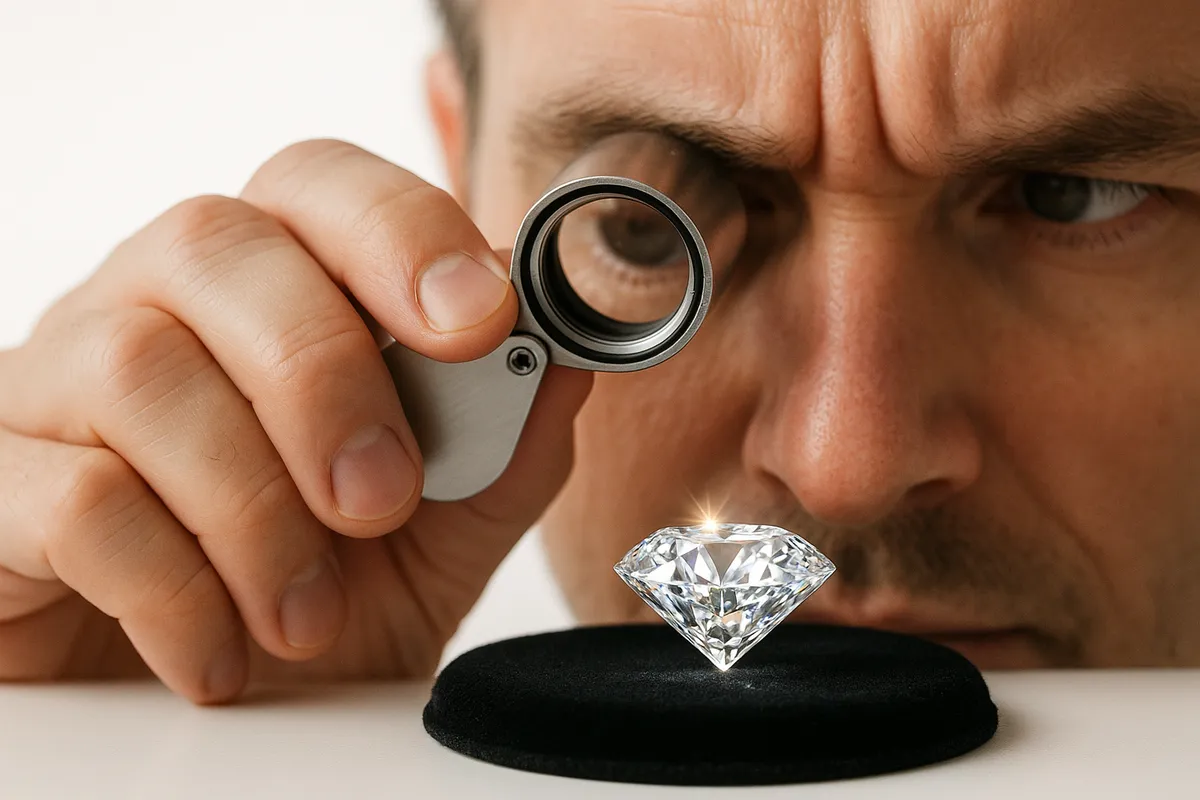
Your Diamond Has a Report Card, Find It Before You Walk In
Diamonds are graded, and that grading matters enormously when it comes to what a pawnbroker is willing to offer. The four factors, cut, color, clarity, and carat weight, aren’t just industry jargon. They directly determine how liquid your stone is on the resale market, and experienced appraisers know this cold.
If your diamond came with a GIA (Gemological Institute of America) or AGS certificate, find it. Bring it. A certified stone is dramatically easier to evaluate, which means the appraiser can make a stronger, more confident offer. Without documentation, the shop has to build in uncertainty, and that uncertainty comes out of your pocket.
No certificate? That’s not a dealbreaker, but it does mean the appraiser will be doing more legwork on-site. Some shops have gemological equipment in-house. The better ones do. Either way, walk in knowing your stone’s approximate specs if you can, even a jeweler’s receipt or an old insurance appraisal gives the conversation a starting point.
One more thing worth knowing: the retail appraisal value on your insurance paperwork is not what you’ll be offered. That number is intentionally inflated for insurance replacement purposes. The resale market operates on a completely different scale, and confusing the two is one of the most common frustrations people bring through the door.
The Setting Around Your Stone Is Telling Its Own Story
People often fixate entirely on the diamond itself and forget that the metal surrounding it carries real value too. A diamond set in platinum tells a different story than one in 10-karat gold. The setting’s craftsmanship, age, and metal purity all factor into what a pawnbroker considers when making an offer on a piece as a whole.
If you’re serious about maximizing what you walk away with, it’s worth reading up on how to prepare your jewelry before bringing it to a pawn shop. Small things, cleaning the piece, having it in presentable condition, knowing the metal stamp, signal to an appraiser that you’re an informed seller. Informed sellers tend to get better treatment.
Vintage and antique settings sometimes carry a premium beyond the raw material value. A well-preserved Art Deco platinum mounting with an old European cut diamond isn’t just a diamond, it’s a collectible. NYC’s market has genuine appetite for estate pieces, which is one reason selling here can yield better results than in smaller markets.
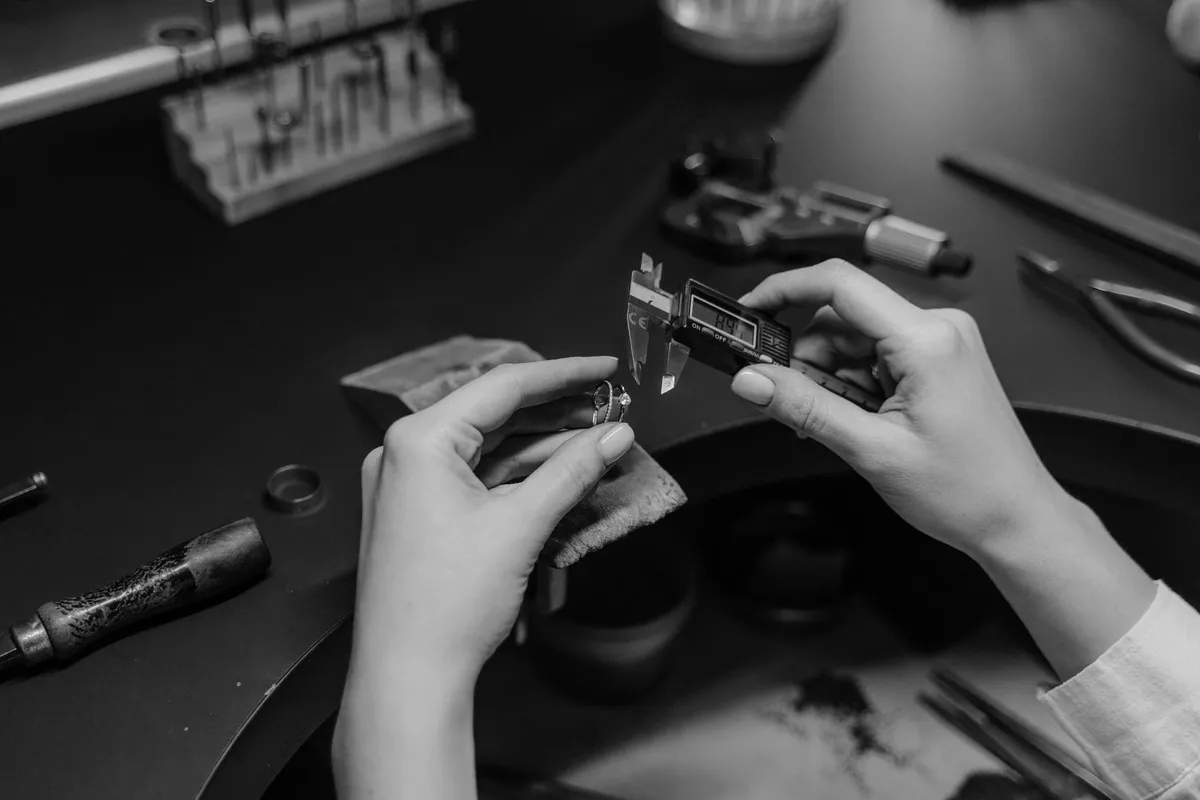
Why the NYC Market Actually Works in Your Favor
New York City is one of the most active diamond markets on the planet. The Diamond District on 47th Street alone moves more stones in a week than most cities see in a year. That level of demand matters when you’re on the selling side of a transaction.
A pawnbroker operating in this city has direct access to buyers, dealers, and auction channels that simply don’t exist in most other places. That access means they can afford to make more competitive offers because they know exactly where a quality stone goes next. A shop with decades of experience in this market, and strong relationships across the trade, is going to offer you something meaningfully different from a generalist shop that handles everything from electronics to guitars.
That’s also why it pays to be selective about where you bring your piece. Not every shop that has a “we buy diamonds” sign in the window has the expertise or the buyer network to value your stone properly. Ask questions. A good appraiser will welcome them.
Timing and Negotiation Are Part of the Process
Here’s something most people don’t realize: the first offer isn’t always the final offer. Pawnbrokers expect a conversation. If you’ve done your homework, you know the stone’s approximate grade, you have documentation, you understand the difference between retail and resale value, you’re in a position to have that conversation intelligently.
Timing can also matter. Diamond prices fluctuate with broader commodity markets and consumer demand cycles. While you shouldn’t obsess over trying to time the market perfectly, it’s worth knowing whether you’re selling during a period of strong demand or a slow stretch.
Many customers who’ve worked with established pawn shops in NYC describe the experience as far more professional and straightforward than they expected going in. The stigma around pawnbroking is largely outdated, a good shop operates with transparency, gives you a clear breakdown of how they arrived at an offer, and doesn’t pressure you to accept on the spot.
If you’re ready to bring a piece in for evaluation, scheduling an appointment ahead of time means you get dedicated attention rather than waiting in line. It’s a small step that makes the whole process smoother, and when you’re talking about a significant asset, smoother is always worth it.
Frequently Asked Questions
What’s the difference between my insurance appraisal value and what a pawn shop in NYC will actually offer me?
Your insurance appraisal is intentionally set high so that if your piece needs to be replaced, the payout covers full retail cost, it has nothing to do with what the resale market will bear. Pawn shops work off resale value, which operates on a completely different scale, so walking in expecting your insurance number is one of the fastest ways to leave disappointed. Treat those two figures as separate conversations entirely.
Does it really make a difference if I bring my GIA certificate when I come in?
Yes, and the difference can be significant, a certified stone is far easier for an appraiser to evaluate with confidence, which means they don’t have to build uncertainty into the offer to protect themselves. Without documentation, the shop has to do more legwork on-site, and that extra work tends to come out of your pocket in the form of a lower number. Even an old jeweler’s receipt or an insurance appraisal gives the conversation a useful starting point.
Should I take the first offer a pawn shop makes, or is there room to negotiate?
The first offer isn’t always the final one, pawnbrokers in NYC expect a back-and-forth, especially when you come in knowing your stone’s approximate grade and the difference between retail and resale pricing. Coming in prepared with documentation and some basic knowledge of what you have puts you in a position to have that conversation on even footing. A good shop will give you a clear breakdown of how they arrived at their number and won’t pressure you to decide on the spot.
Does the metal setting my diamond is in actually affect the offer, or do shops only care about the stone?
The setting carries real weight in the offer, platinum tells a very different story than 10-karat gold, and the metal purity, craftsmanship, and age all factor into what a pawnbroker considers for the piece as a whole. Vintage or antique settings, like a well-preserved Art Deco platinum mounting with an old European cut stone, can carry a premium beyond the raw material value because NYC’s market has genuine appetite for estate pieces. Knowing your metal stamp before you walk in signals that you’re an informed seller, which tends to get you better treatment.
Why would I get a better offer for my diamond in NYC than somewhere else?
The volume of activity here is on a different level, the Diamond District on 47th Street alone moves more stones in a week than most cities see in a year, and that demand gives pawnbrokers direct access to buyers, dealers, and auction channels that don’t exist in most markets. Because an experienced NYC shop knows exactly where a quality stone goes next, they can afford to make more competitive offers than a generalist shop without those connections. That buyer network is the practical reason selling here can yield meaningfully better results.
0 Comments