
There’s a moment most New Yorkers recognize, the one where a piece of fine jewelry sitting in a drawer suddenly looks less like a sentimental keepsake and more like a financial opportunity. Whether it’s a diamond tennis bracelet from a past relationship or a strand of South Sea pearls inherited from a relative, luxury jewelry pawn in NYC has become a genuinely smart move for people who need real cash fast without selling permanently or dealing with the uncertainty of online marketplaces. The city’s pace demands financial flexibility, and high-end jewelry is one of the most reliable assets you can bring through a pawn shop door.
Your Jewelry Is Worth More Than You Think, Here’s Why
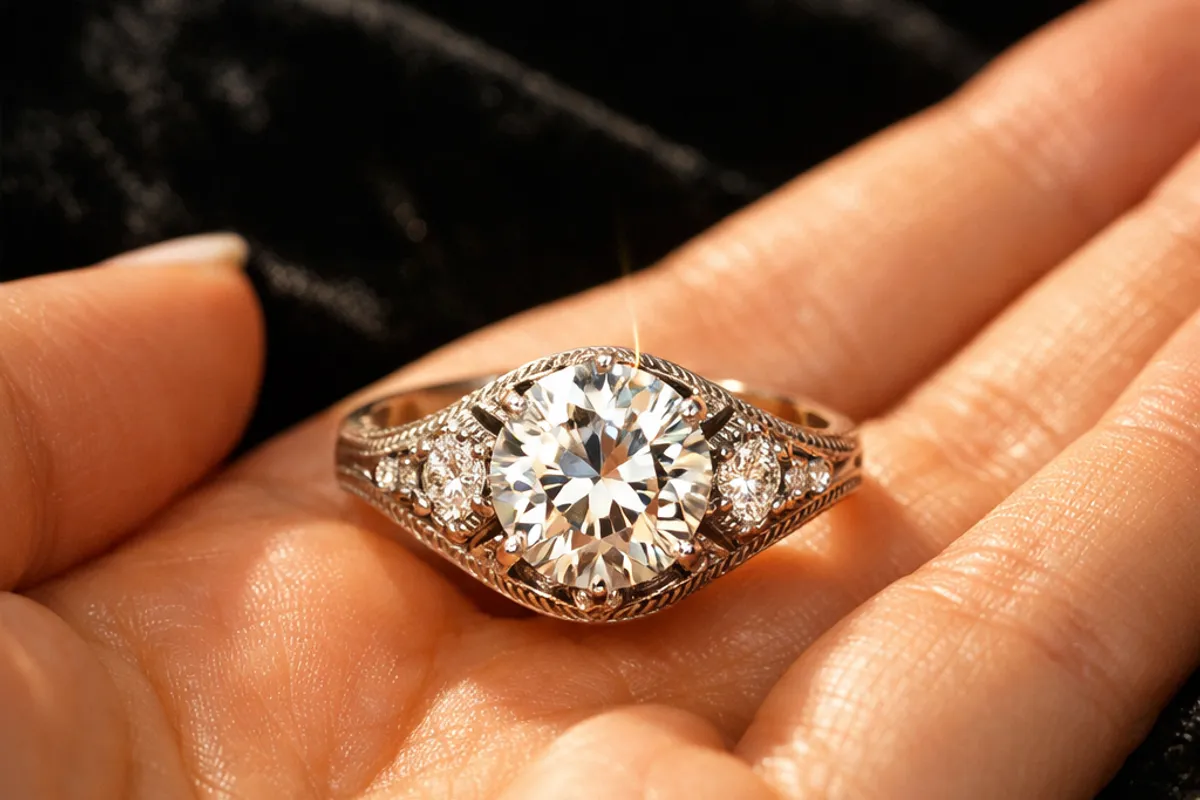
Most people dramatically underestimate what their fine pieces are actually worth on the secondary market. A platinum setting alone carries significant melt value. A diamond with strong color and clarity grades doesn’t lose its worth just because it’s sitting in a box. Designer pieces from houses like Cartier, Van Cleef & Arpels, or Tiffany & Co. carry brand premiums that hold up remarkably well over time.
What surprises many first-time sellers is that the condition of the piece matters less than they assumed. Minor scratches on a gold bangle don’t erase its intrinsic metal value. A clasp that needs repair on an emerald necklace doesn’t make the stones worthless. Experienced appraisers look at the whole picture, metal weight, stone quality, brand recognition, and current market demand, not just surface appearance.
If you’re sitting on diamond jewelry specifically, it’s worth reading up on how to get the best offer when you pawn diamonds before you walk in anywhere. A little preparation goes a long way toward making sure you’re not leaving money on the table.
The Difference Between Selling and Pawning, And Why It Matters
This is the part most people don’t fully understand before they walk in. When you sell a piece, it’s gone. You get a lump sum and that’s the end of the transaction. When you pawn a piece, you’re essentially using it as collateral for a short-term loan. The jewelry stays in secure storage, you get cash in hand, and you have a set period to repay the loan and reclaim your item.
For someone going through a temporary cash crunch, unexpected medical bills, a gap between paychecks, a business expense that can’t wait, pawning is often the smarter play. You’re not giving up a piece that has sentimental value permanently. You’re buying yourself time while accessing liquidity that a credit card or bank loan might not provide quickly enough.
The key is understanding the loan terms clearly before you agree to anything. A reputable pawn shop in NYC will walk you through the interest rate, the repayment window, and what happens if you decide not to reclaim the item. Transparency at that stage is a good indicator of how the whole experience will go.
What Actually Happens During the Appraisal Process
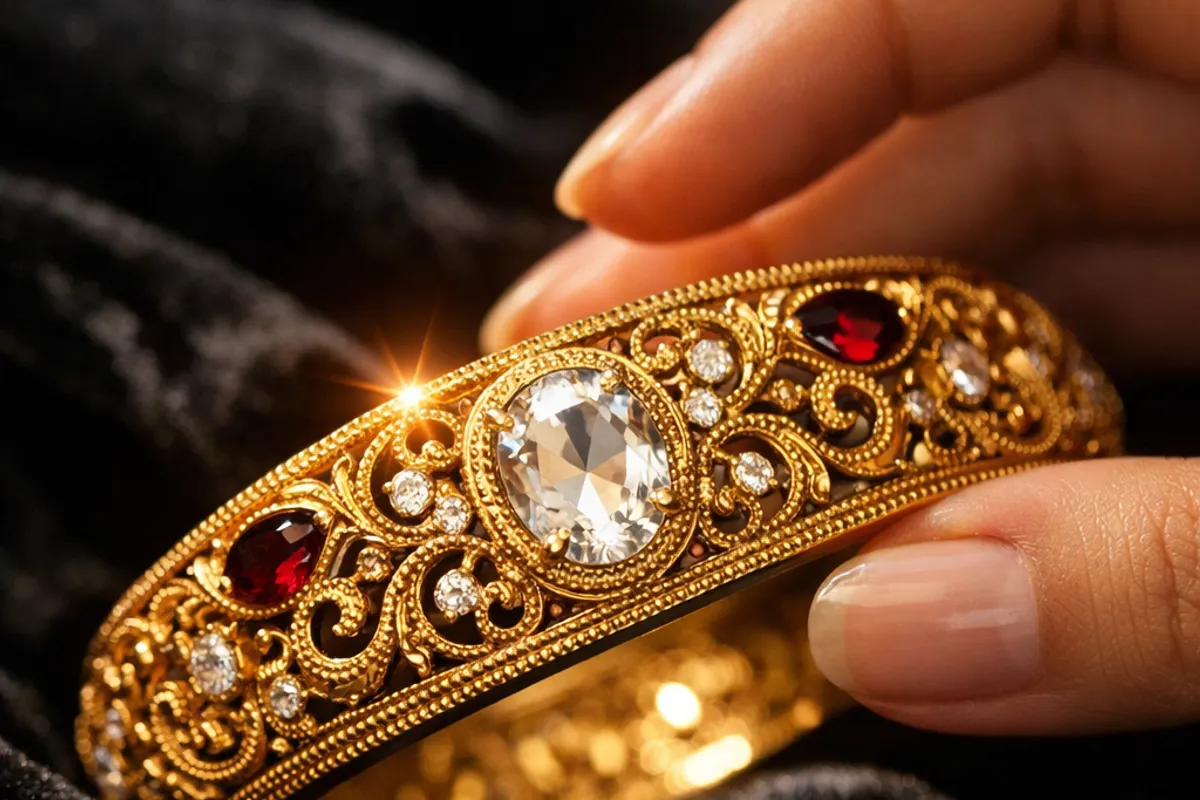
Walking into a pawn shop with a piece of fine jewelry isn’t like haggling at a flea market. At a professional establishment, the appraisal process is methodical. The appraiser will examine the metal, testing for purity if there’s no hallmark, or verifying the stamp if there is one. Stones get evaluated under magnification for clarity, assessed for color, and weighed if they’re loose or can be measured in setting.
For branded pieces, provenance matters. If you have original paperwork, a certificate of authenticity, or the original box, bring it. These details can meaningfully increase the offer you receive. A Cartier Love bracelet with its original receipt and box is worth more in a negotiation than the same bracelet with no documentation.
It also helps to come in with some baseline knowledge. Understanding roughly what your piece is worth, even from a quick online search or a previous insurance appraisal, means you can have an informed conversation rather than just accepting the first number offered. The appraisers at our Midtown location have decades of combined experience with high-end pieces, and they respect clients who come prepared. Many customers who’ve been through the process describe feeling genuinely respected and heard during the evaluation, which makes a stressful situation considerably easier to handle.
If you want to get ahead of the process, preparing your jewelry before you arrive can make a real difference in both the experience and the outcome.
Why NYC’s Market Creates Better Opportunities for Jewelry Owners
New York operates at a different scale than most cities when it comes to luxury resale. The density of high-net-worth buyers, collectors, and dealers means that demand for quality pieces stays consistently strong. A pawn shop operating in this environment has a ready market for what it acquires, which means it can afford to make more competitive offers than a shop in a smaller market.
The competition among reputable shops here also works in your favor. You’re not stuck with one option. You can get multiple appraisals and compare offers, something that’s genuinely worth doing for a high-value piece. That said, the lowest-effort path isn’t always the lowest-value one. A shop with real expertise in fine jewelry will often offer more than a generalist operation because they actually know what they have.
Gold jewelry in particular tends to perform well right now given where commodity prices have been trending. If you’ve been on the fence about bringing in a gold piece, this is a good moment to at least get an appraisal and understand what your options are. You can learn more about why selling gold jewelry at a pawn shop makes sense for a lot of New Yorkers in exactly this kind of market.
The bottom line is straightforward: fine jewelry is a liquid asset in a city that rewards people who know how to use what they have. Whether you need cash today or just want to understand what your collection is worth, a professional appraisal costs you nothing and gives you real information to work with.
Frequently Asked Questions
If my jewelry has minor damage, like a broken clasp or surface scratches, will the pawn shop just lowball me?
Not at a shop with real expertise, experienced appraisers look at metal weight, stone quality, and brand recognition, not just whether the piece looks pristine. A scratched gold bangle still has its full melt value, and an emerald necklace with a busted clasp still has its stones. Surface condition matters a lot less than most people expect going in.
Does it actually help to bring the original box and paperwork for a designer piece?
Yes, and the difference can be meaningful, the article specifically uses a Cartier Love bracelet as an example, noting that having the original receipt and box increases what you can negotiate compared to bringing in the same bracelet with nothing to back it up. Documentation confirms authenticity and brand provenance, which pawn shops factor directly into their offers. If you have it, bring it.
How is pawning different from just selling my jewelry outright, and when does one make more sense than the other?
When you sell, the piece is gone and you walk out with a lump sum, that’s the end of it. When you pawn, the shop holds the jewelry as collateral for a short-term loan, and you can get it back by repaying the loan within the agreed window. If the piece has sentimental value or your cash problem is temporary, a medical bill, a gap between paychecks, pawning lets you access money without permanently giving anything up.
Is it worth getting appraisals at more than one shop before I commit?
For a high-value piece, yes, the article is direct about this, pointing out that NYC’s density of shops means you’re not stuck with one offer. That said, a generalist shop that handles all kinds of merchandise will often offer less than one with real fine jewelry expertise, because they actually understand what they’re looking at and have buyers for it. Getting two or three appraisals on a significant piece costs you nothing and gives you a real number to compare against.
What should I know going into the appraisal so I’m not just accepting whatever number they give me?
Come in with at least a rough sense of your piece’s value, a previous insurance appraisal or even a quick online search gives you a baseline for an informed conversation. The appraisal itself will cover metal purity, stone clarity and color, and brand documentation if you have it, so understanding those factors ahead of time means you can follow along and push back if something doesn’t add up. The article is clear that appraisers at serious shops respect clients who show up prepared.
0 Comments