
There’s a moment many New Yorkers recognize, you open a drawer, spot a watch you haven’t worn in years, and start wondering what it’s actually worth. If you’ve been thinking about visiting a Rolex pawn shop NYC locals trust, you’re not alone. Rolex watches are among the most sought-after items that come through our doors, and for good reason. They hold value in a way that very few luxury goods can match. But before you walk in, there are some things worth knowing that can make a real difference in what you walk out with.
Your Rolex Isn’t Just a Watch, It’s a Negotiating Asset
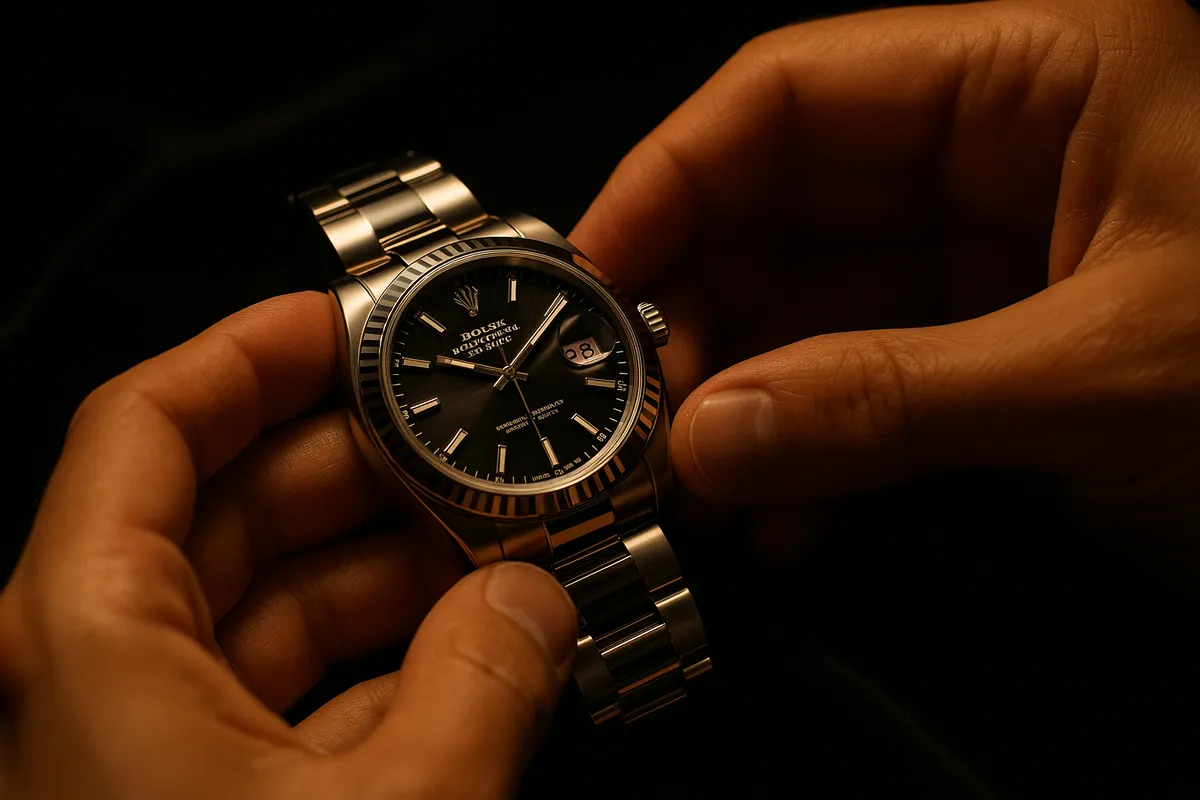
A lot of people come in treating their Rolex like any other piece of jewelry. That’s a mistake. A Rolex, whether it’s a Submariner, a Datejust, or a GMT-Master, carries a reputation that actively works in your favor during an appraisal. These watches have a secondary market that is remarkably stable, sometimes even appreciating over time depending on the reference and production year.
What that means for you practically: don’t walk in without doing a little homework first. Know your model. Know the reference number, which you’ll find on the case between the lugs at the 12 o’clock side. If you have the original box and papers, what collectors call “full set”, you’re in a significantly stronger position. A Rolex with its original documentation can fetch meaningfully more than the same watch without it. That paperwork isn’t just sentimental; it’s financial proof of authenticity.
Condition matters too, but perhaps not as much as people fear. A well-worn Submariner with honest scratches is still a Submariner. Experienced appraisers know how to look past surface wear and assess the watch for what it truly is.
What Actually Happens During the Appraisal Process
When you bring a Rolex in for evaluation, a reputable shop isn’t going to glance at it and throw out a number. A proper appraisal takes time. The appraiser will check the movement, examine the dial for any signs of refinishing or replacement, verify the serial and reference numbers, and assess the bracelet and clasp for wear and originality.
One thing that surprises many first-time sellers: the offer you receive is tied directly to current market conditions, not just the watch itself. Rolex values fluctuate based on what’s happening in the broader luxury watch market. A knowledgeable buyer tracks auction results, dealer pricing, and grey market activity in real time. That’s why it pays to work with someone who specializes in luxury timepieces rather than a generalist who handles everything from electronics to musical instruments.
If you want a deeper look at what to expect from this kind of appointment, this guide on pawning luxury watches in NYC breaks down the process in practical terms.
The Difference Between Pawning and Selling, and Why It Matters
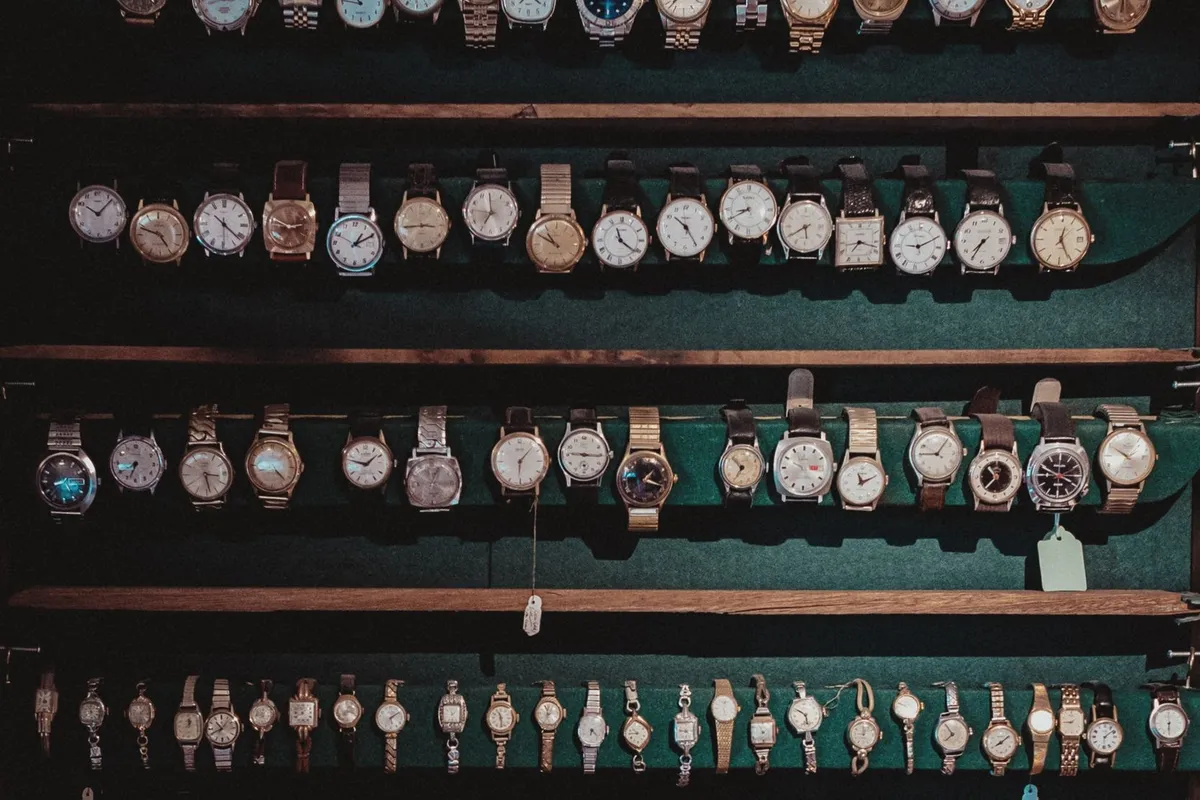
Many people use the words interchangeably, but they’re two very different transactions. Selling means you hand over the watch and receive a lump sum. Done. Pawning means you use the watch as collateral for a short-term loan, with the option to reclaim it once you repay the loan plus interest.
For someone who’s temporarily cash-strapped but doesn’t want to permanently part with a family heirloom or a watch they genuinely love, pawning can be a smart move. You get the liquidity you need without losing the asset forever. Many customers who’ve gone this route say they wished they’d known about this option sooner, the flexibility it offers can take real pressure off a difficult financial moment.
That said, if you’re ready to sell outright, the process is clean and fast. A reputable shop will make you a fair offer based on current market value, not a lowball number designed to exploit urgency. If an offer feels off, you’re always within your rights to ask how the number was calculated. A good buyer will explain it clearly.
Why Selling in New York Gives You an Edge
New York is one of the few cities where the luxury watch market is genuinely active at street level. There’s real competition among buyers here, dealers, private collectors, auction houses, and that competition tends to work in the seller’s favor. You’re not in a market where one buyer sets the price because there’s nobody else around.
Our shop on 47th Street has spent years building relationships with collectors and buyers who specifically seek out Rolex references. That network matters when it comes to getting you a competitive number. We’re not guessing at value, we know what these watches are moving for right now, and we price accordingly.
If you’re also sitting on other jewelry or gold pieces alongside that Rolex, it’s worth knowing that selling gold jewelry at a pawn shop follows a similarly straightforward process and can add meaningful value to a single visit.
The bottom line is simple: a Rolex is one of the few luxury items that genuinely rewards the seller who takes a few minutes to prepare. Know your model, bring your documentation, and work with a buyer who has real experience in the luxury watch space. Do those three things, and you’re already ahead of most people who walk through the door.
Frequently Asked Questions
Where exactly is the reference number on my Rolex, and why does the appraiser need it?
The reference number sits on the case between the lugs at the 12 o’clock side, you’ll need to remove the bracelet or at least pop the watch off your wrist to read it clearly. Appraisers use it to confirm the exact model, production year, and whether the dial, hands, and bracelet are original to that reference, all of which directly affect the offer you receive. Bringing in a watch without knowing this number puts you at a disadvantage before the conversation even starts.
Does it still make sense to bring in a Rolex that has visible scratches and heavy wear?
Yes, experienced appraisers know how to look past surface wear and assess the watch for what it actually is, not just how it looks at first glance. A well-worn Submariner is still a Submariner, and honest scratches from regular use don’t erase the underlying value of the reference. Where condition really starts to matter is if the dial has been refinished or parts have been swapped out, which is something a proper appraisal will check for specifically.
What does “full set” mean, and how much of a difference does it actually make to the offer?
“Full set” refers to having the original box and papers, the documentation that came with the watch when it was first sold. According to the article, a Rolex with its original paperwork can fetch meaningfully more than the same watch without it, because that documentation serves as financial proof of authenticity, not just a keepsake. If you still have those materials sitting in a closet somewhere, it’s worth taking the time to dig them out before your appointment.
If I pawn my Rolex instead of selling it, what exactly happens to the watch while the loan is outstanding?
The watch is held as collateral by the shop for the duration of the loan, meaning you hand it over when you take the cash and get it back once you repay the loan amount plus interest. This option exists specifically for people who need liquidity in the short term but don’t want to permanently give up a watch they care about, such as a family heirloom. The article notes that many customers who’ve gone this route say they wished they’d known about it sooner, because the flexibility can take real pressure off a difficult financial moment.
How does the shop come up with the offer number, and can I ask them to explain it?
The offer is tied to current market conditions, auction results, dealer pricing, and grey market activity, not just the physical condition of the watch sitting on the counter. A knowledgeable buyer tracks all of that in real time, which is why the article specifically recommends working with someone who specializes in luxury timepieces rather than a generalist shop. If an offer feels off, you’re within your rights to ask how the number was calculated, and a good buyer will walk you through it clearly.
0 Comments